


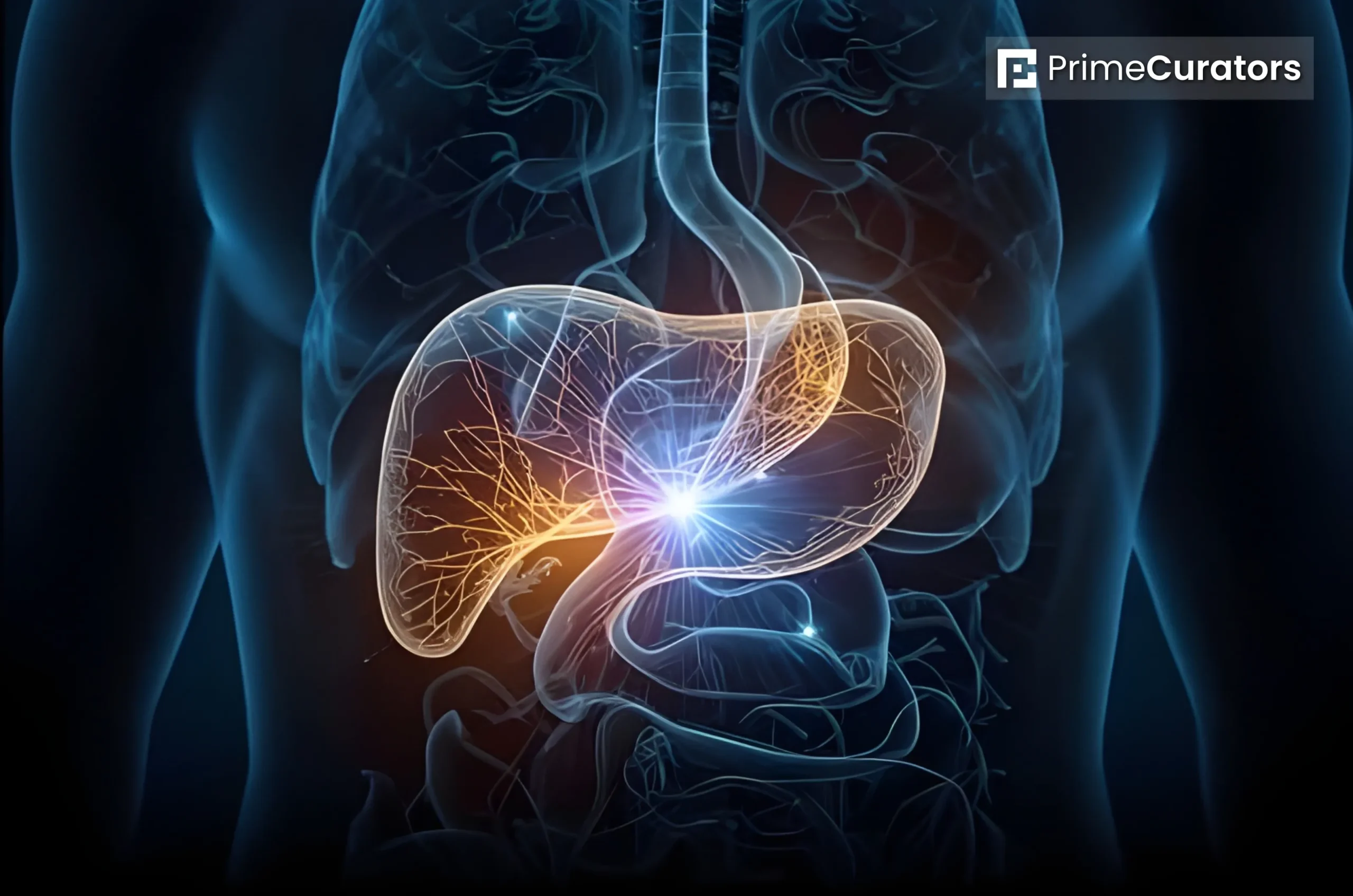
A Diabetes Gamechanger New 3D-printed Pancreas Cells May Replace Daily Insulin Injections With a Long-term Implant
For millions around the world living with diabetes, the daily routine of insulin injections is more than just a treatment—it’s a constant reminder of a condition that never rests. But a new breakthrough in biotechnology may soon change that forever.
Researchers have developed a 3D-printed artificial pancreas made up of insulin-producing cells, designed to restore the body’s natural ability to regulate blood sugar. If successful, this innovation could replace daily insulin shots with a long-term implant, offering hope for a more normal, injection-free life.
A Revolution in Diabetes Treatment
The project’s success lies in its use of advanced 3D printing technology to create clusters of functioning pancreatic cells that mimic the behavior of a healthy pancreas. Once implanted into the body, these engineered cells detect when blood sugar levels rise and automatically release insulin — just like a natural pancreas would.
Unlike traditional insulin injections, which provide only temporary relief, this new method allows the body to continuously balance glucose levels. It eliminates the highs and lows associated with manual dosing, potentially transforming how diabetes is managed.
Researchers behind this innovation say the approach could mimic real biological function in ways that were once thought impossible. Early laboratory and animal trials have shown promising results, with the implanted cells maintaining normal glucose levels for extended periods.
For more stories on scientific innovation and medical technology, explore Prime Curators’ Health section ↗.
How 3D Printing Makes It Possible
The beauty of 3D printing lies in its precision and customization. By layering biomaterials and living cells with micrometer accuracy, scientists can recreate the intricate structure of natural pancreatic tissue. These artificial pancreas cells are built to respond intelligently to glucose fluctuations—something no insulin pump or injection has been able to fully achieve.
This method also reduces the risk of rejection. The printed cells can be designed using a patient’s own stem cells, meaning the body is far less likely to treat them as foreign objects. That’s a major step forward from traditional transplant methods, which often rely on donor tissue and carry the risk of immune complications.
For more on how 3D printing is shaping the future of medicine, check out this report by the World Health Organization ↗.
Why This Matters for Millions Living with Diabetes
Diabetes is one of the world’s fastest-growing health challenges, affecting more than 500 million people globally. According to the International Diabetes Federation, the number is expected to rise significantly by 2045.
Daily insulin injections can be painful, time-consuming, and emotionally draining. Even with the best technology, maintaining stable glucose levels remains a constant struggle. That’s what makes this 3D-printed implant such a potential gamechanger — it could free patients from constant monitoring and offer a long-term, natural solution.
Dr. Sarah Nguyen, a biomedical engineer involved in the study, notes,
“We’re not just treating diabetes — we’re reprogramming how the body manages it.”
If approved for human trials, this innovation could redefine diabetes care and drastically improve quality of life for millions.
The Road Ahead
While the results are promising, experts emphasize that the research is still in its early stages. Clinical trials will need to confirm the implant’s long-term safety, stability, and performance in humans. However, if successful, this technology could lead to a world where insulin injections and pumps become a thing of the past.
Governments and health organizations are keeping a close watch, with growing investment in bioengineered medicine and regenerative therapies. For updates on groundbreaking medical research, visit Prime Curators’ Science & Space section ↗.