


AI Fatigue Is Real: How to Use Artificial Intelligence Without Burning Out
Why Everyone Is Tired of AI
Artificial Intelligence was meant to make life easier.
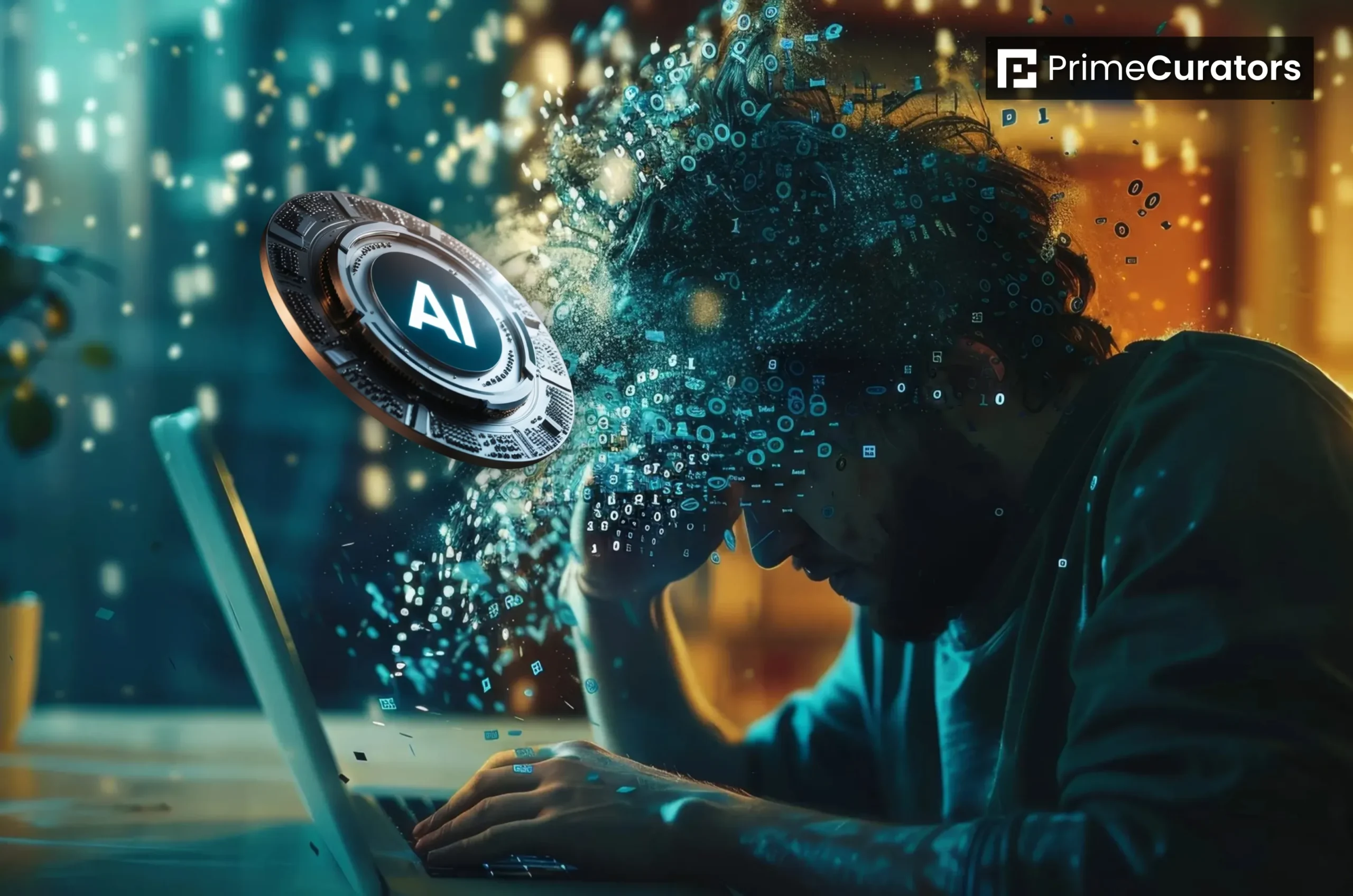
But for many people, it has become overwhelming, exhausting, and mentally draining. With constant tool updates and pressure to stay current, a new challenge has emerged — AI fatigue ↗.
In 2026, AI is present in nearly every area of life: work, content creation, shopping, education, and even mental health.
However, using AI continuously without limits can cause burnout, reduce creativity, and lead to decision fatigue.
This article covers:
- What AI fatigue really means
- Why it is becoming more common
- How to use AI without losing your energy or creativity
What Is AI Fatigue?
- AI fatigue is the mental exhaustion that comes from:
- Overusing AI tools
- Constantly learning new platforms
- Feeling pressure to automate everything
- Relying on AI for every decision
- It is like a digital burnout but more intense because AI requires thinking, prompting, reviewing, and correcting.
Common Symptoms of AI Fatigue
- Feeling overwhelmed by too many tools
- Losing motivation to create
- Overthinking simple tasks
- Reduced focus and creativity
- Feeling “behind” even when being productive
Why AI Fatigue Is Increasing in 2026
1. Too Many AI Tools
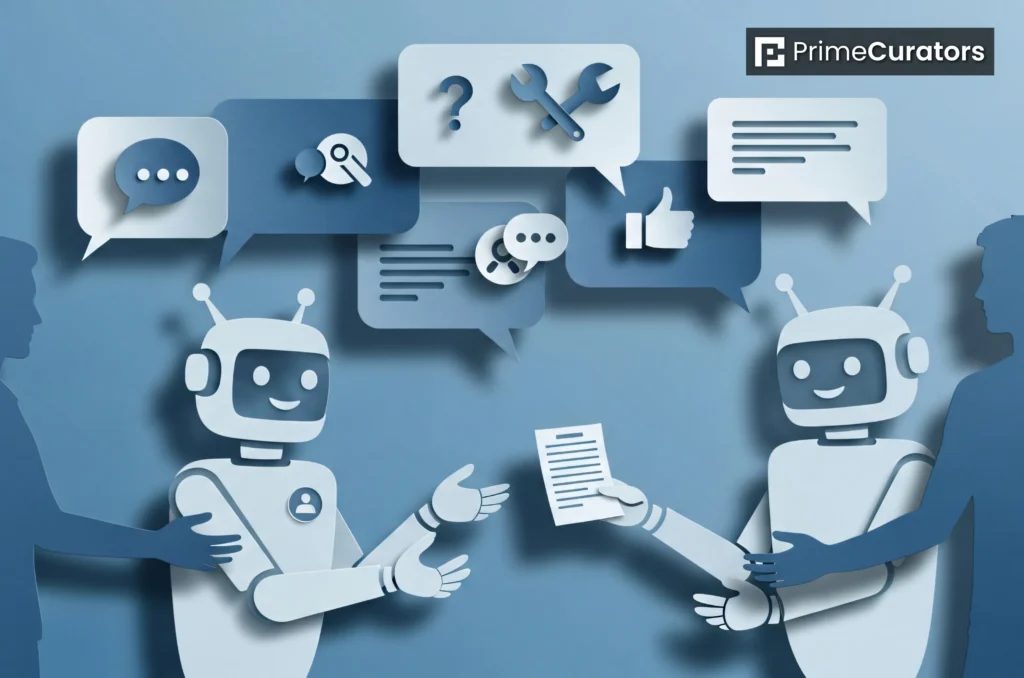
New AI tools are launched every week — writing tools, design tools, marketing tools, productivity tools. Choosing among them can be exhausting.
2. Pressure to Be Faster
AI has raised expectations. People now expect instant results, faster content, and continuous output — which can lead to burnout.
3. Creativity Overload
Instead of helping creativity, over-reliance on AI can make work feel repetitive, robotic, and uninspired.
4. Fear of Falling Behind
Many people feel they must always use AI or risk becoming irrelevant — especially creators and freelancers.
The Hidden Cost of Overusing AI
AI is powerful, but over-dependence has costs:
- Reduced critical thinking
- Weaker personal voice
- Less originality
- Mental fatigue
- Loss of confidence in human skills
- The goal is not to stop using AI — but to use it intentionally.
How to Use AI Without Burning Out:
1. Use AI as an Assistant, not a Boss
AI should support your work, not control it.
✅ Good use:
- Brainstorming ideas
- Improving drafts
- Saving time on repetitive tasks
❌ Bad use:
- Letting AI decide everything
- Copy-pasting without thinking
- Replacing your creative process
2. Limit the Number of Tools You Use
- You don’t need ten AI platforms
- Choose 2–3 tools maximum that
- Solve your main problems
- Fit your workflow
- Don’t overwhelm you
- Simple systems reduce mental load.
3. Set “No-AI” Creative Time
Your brain needs space.
Try:
- Writing first drafts without AI
- Designing concepts manually
- Journaling or planning offline
- This protects your original thinking and creativity.
4. Stop Chasing Every New Update
Not every AI update is new.
Ask yourself:
- Does this tool improve my work?
- Or am I just afraid of missing out?
- Skipping trends is a form of self-care.
5. Use AI for Output, Not Identity
AI should help with:
- Formatting
- Editing
- Speed
But your ideas, opinions, and voices should come from you. People connect with humans — not perfect AI-generated content. Healthy AI Habits for Creators & Professionals
Here’s a sustainable AI routine for 2026:
🕒 Limit AI use per day
🌀 Create first, then refine later
🧠 Think before prompting
📵 Take regular screen breaks
🔄 Review AI output critically
Balance leads to better results and less stress.
📖 Related Read:
👉 James Cameron’s 1984 Warning on AI Feels Real Today
👉 Albania Introduces World’s First Ever ‘AI Minister’
Will AI Fatigue Get Worse?
AI fatigue will continue to grow — but only for those who use AI without boundaries.
The future belongs to:
- Intentional creators
- Human-first brands
- People who blend AI with authenticity.
- AI isn’t replacing humans — but humans who protect their energy will outperform others.
- Final Thoughts: Smarter AI Use Is the Real Advantage.
- In 2026; productivity isn’t about using more AI tools. It’s about using the right amount, in the right way.
- If AI makes you tired, overwhelmed, or disconnected — it’s time to slow down, not quit.
- AI should work for you — not burn you out.
Conclusion:
AI is not the problem — how we use it is.
- As artificial intelligence becomes part of daily life, learning to use it with intention will matter more than learning every new tool.
- AI fatigue is a sign that your mind needs space, your creativity needs freedom, and your productivity needs balance.
- When you stop chasing constant automation and start using AI as a supportive assistant, work becomes clearer, lighter, and more human again.
- In 2026 and beyond, the real advantage won’t be using more AI — it will be using it wisely. Protect your energy, trust your ideas, and let AI enhance your work without replacing the person behind it.