


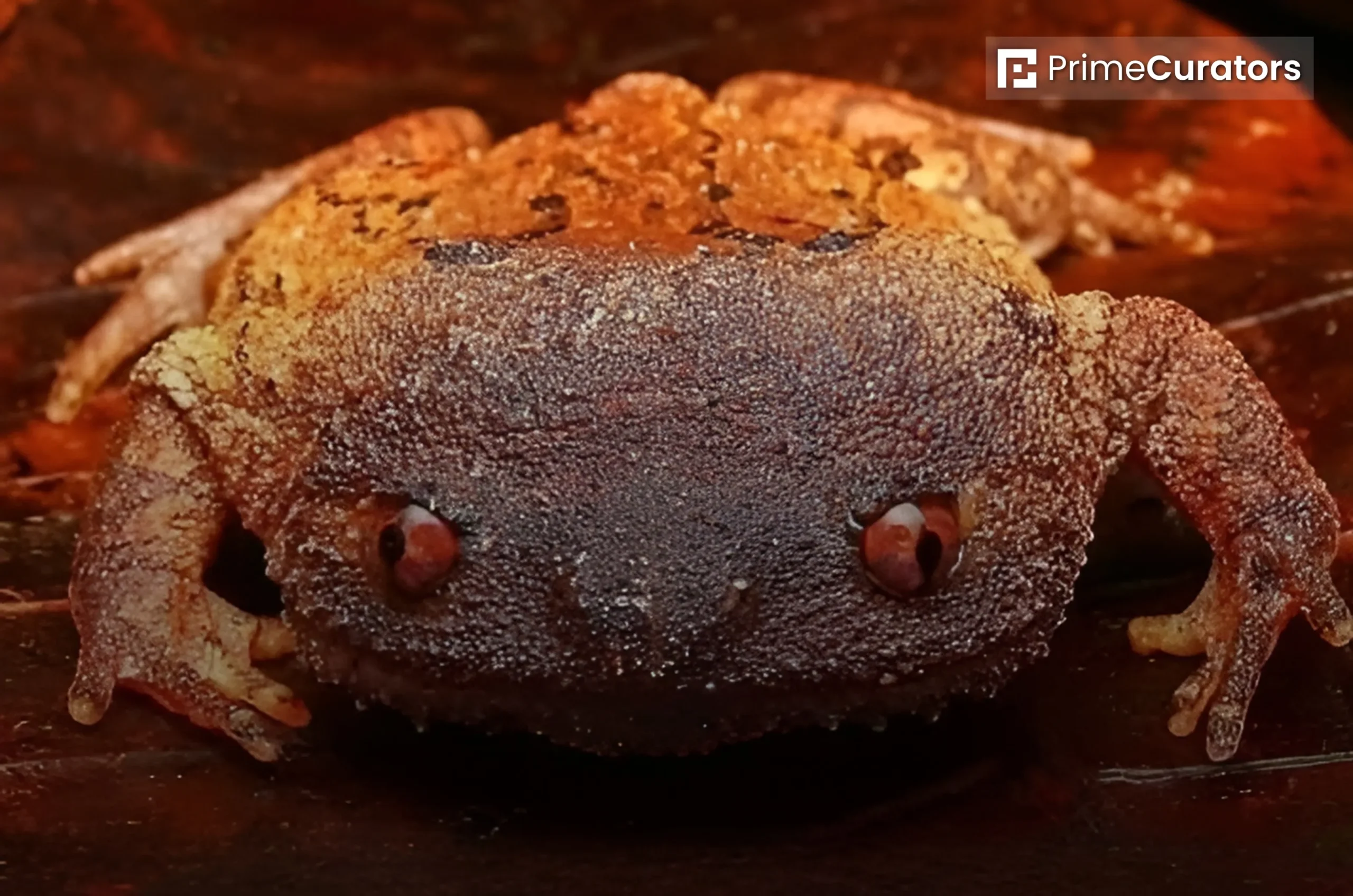
Rediscovery of Brooks’ Burrowing Frog in Borneo After 14 Years
In the lush rainforests of Borneo, an extraordinary discovery has stirred excitement among conservationists — the Brooks’ burrowing frog (Glyphoglossus brooksi) has been spotted again after vanishing from records for 14 years. This small amphibian, measuring up to 7 cm, is unique to limited areas of Sarawak, making it one of the rarest species in the region.
Why This Rediscovery Matters
The Brooks’ burrowing frog is not just rare — it is endemic to Borneo, meaning it is found nowhere else in the world. Its lifestyle is fossorial, meaning it spends most of its time hidden beneath leaf litter and soil. Male frogs typically emerge and call during rainy days, which is one of the few opportunities researchers have to detect them.
The fact that this species has resurfaced after more than a decade highlights the importance of ongoing biodiversity research and conservation efforts. Such findings remind us that nature often holds surprises, even in areas that face threats from deforestation and habitat loss.
For more on global biodiversity breakthroughs, you can also explore our coverage on species rediscoveries ↗ and how they shape conservation policies worldwide.
Conservation and Future Prospects
The rediscovery of Brooks’ burrowing frog brings hope to scientists, conservationists, and local communities. Amphibians are considered key indicators of ecosystem health, and finding a species once thought lost is a strong sign that conservation initiatives in Borneo are working.
This event also highlights the need for continuous protection of rainforest ecosystems. Without preserving natural habitats, many more species may silently disappear before they are even discovered. International organizations like the IUCN Red List ↗ continue to track and assess such species to ensure they don’t slip back into obscurity.
A Reminder from Nature
The return of the Brooks’ burrowing frog after 14 years is more than a scientific triumph — it is a gentle reminder that even the smallest creatures play a crucial role in maintaining the balance of our ecosystems. Protecting them means protecting the future of biodiversity.