


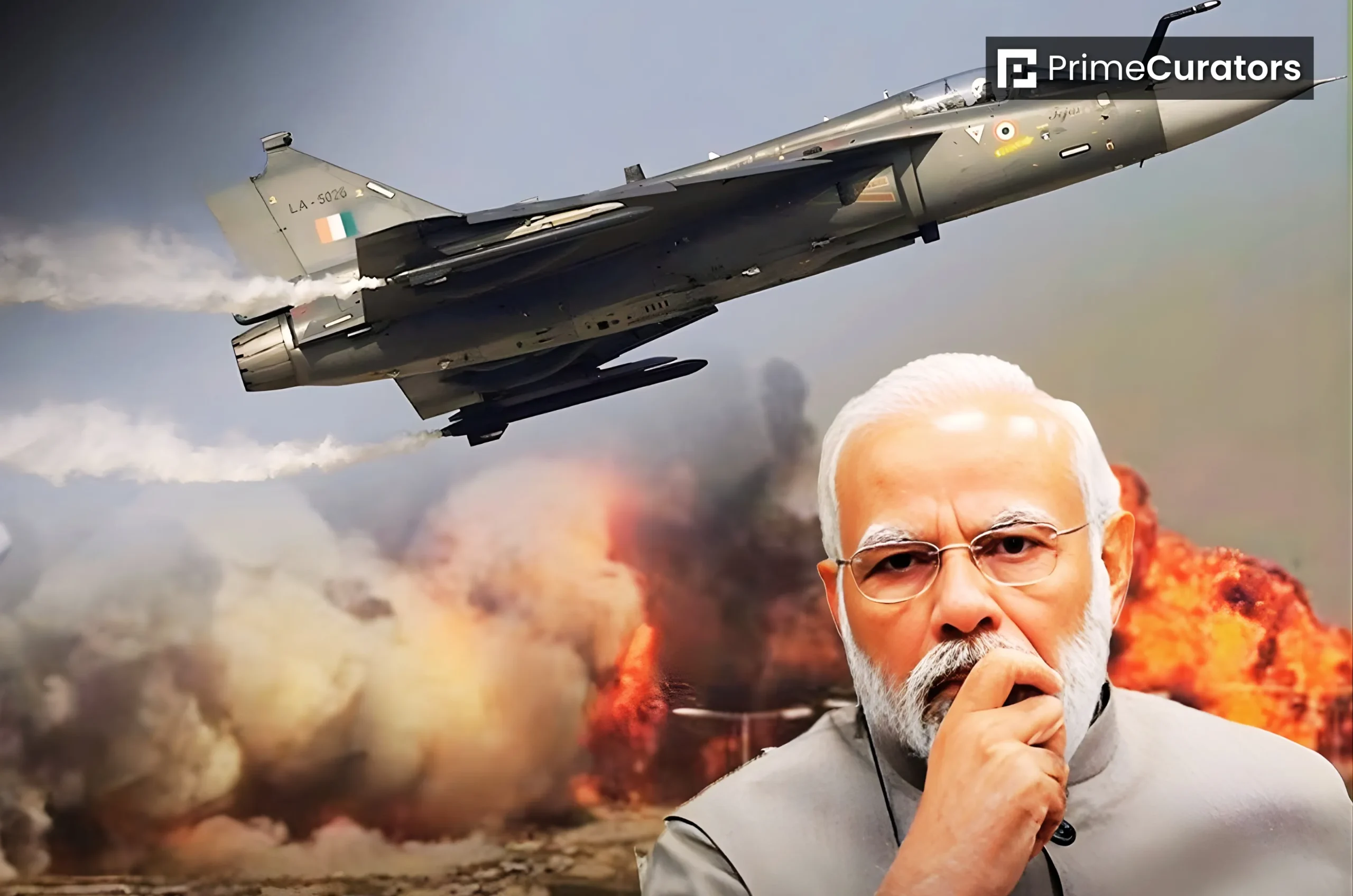
Armenia Pauses $1.2 Billion India’s Tejas Fighter Jet Deal After Dubai Airshow Crash
Armenia has put its massive $1.2 billion deal to purchase India’s Tejas fighter jets on hold after a Tejas aircraft crashed during a flying display at the Dubai Airshow 2025 ↗. The unexpected incident has sparked conversations around the jet’s reliability and raised critical questions about India’s defense export ambitions at a time when global competition in the light-combat aircraft market is tougher than ever.
This deal, if finalized, would have been India’s biggest defense export and a major milestone for the country’s growing military manufacturing sector. But for now, Armenia has decided to pause and reassess its options.
Why Armenia Suspended the Deal
According to initial reports, the crash during the Dubai Airshow triggered immediate concerns within the Armenian defense leadership. Even though investigations are still ongoing, Armenia’s move reflects a cautious approach—especially considering the size and long-term implications of the deal.
Defense analysts note that modern air forces rely heavily on fleet reliability, long-term maintenance support, and safety records. A high-profile crash at a global airshow naturally raises questions, even if the cause turns out to be technical or pilot-related.
For context, Tejas has been a key project for India’s Hindustan Aeronautics Limited (HAL) ↗ and is already operational within the Indian Air Force. However, for new foreign buyers, first impressions matter, and the Dubai Airshow incident came at the worst possible time.
A Competitive Global Landscape
Armenia’s hesitation also reflects the reality that India is now competing with other established light-combat aircraft, particularly South Korea’s FA-50 ↗, which has already secured multiple global buyers and has a strong track record.
Countries looking to modernize their air fleets want a mix of:
- Proven safety
- Strong after-sales support
- A transparent upgrade roadmap
- Competitive pricing
The Tejas aircraft had been gaining traction internationally, and the Armenia deal was expected to further open the export pipeline. With the cancellation now looming, India will need to put in extra effort to reassure future buyers.
What This Means for India’s Defense Export Strategy
The suspension is undoubtedly a setback, but experts believe it may not be permanent. Armenia has paused the agreement — not canceled it — which shows that negotiations could resume after the crash investigation concludes.
India has been pushing strongly to position Tejas as a reliable and affordable light combat jet. The program has seen significant upgrades, including improved avionics, advanced weapons compatibility, and enhanced flight performance. Once the cause of the Dubai crash is officially confirmed, India may have the opportunity to restore confidence.
Still, the incident highlights why global perception matters as much as engineering. A single crash in the spotlight of an international airshow can reshape years of marketing and diplomatic efforts.
What Happens Next?
Armenia is expected to review:
- Crash investigation results
- Updated safety reports
- Assurance from HAL and Indian authorities
- Alternative aircraft options, including the FA-50
For now, the $1.2 billion deal is in limbo — but not officially dead.
Meanwhile, India’s defense export ambitions continue to rise. The Tejas program remains one of India’s most advanced indigenous aviation projects, and further upgrades may help rebuild momentum in the global market.