


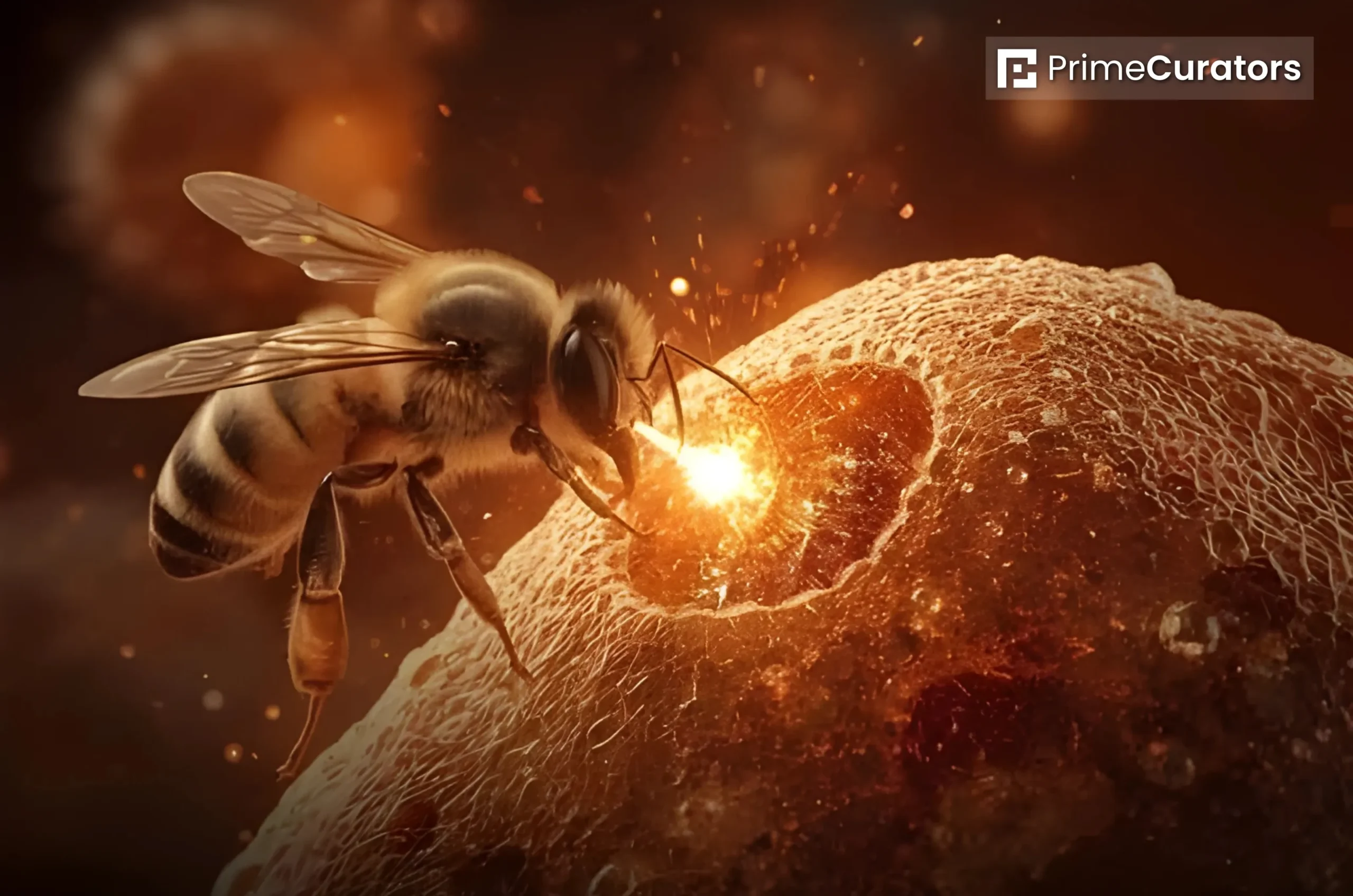
Bee Venom Shows Promise in Destroying Aggressive Breast Cancer Cells
In a groundbreaking discovery, Australian scientists have revealed that bee venom may hold the key to fighting some of the most aggressive forms of breast cancer. The research found that melittin, a natural compound found in bee venom, was able to completely destroy triple-negative and HER2-positive breast cancer cells in under 60 minutes—while leaving healthy cells untouched.
This remarkable finding could open the door to more targeted, less toxic cancer treatments in the future, offering hope to millions worldwide who are affected by breast cancer.
A Natural Compound with Extraordinary Potential
What makes this breakthrough so fascinating is how melittin selectively attacks cancer cells without harming surrounding healthy tissue. Traditional chemotherapy often damages both healthy and cancerous cells, leading to severe side effects.
If melittin can be developed into a safe treatment, it could drastically reduce the harsh impact of cancer therapy while improving recovery outcomes.
Researchers from the Harry Perkins Institute of Medical Research led this study, which has captured global attention for its potential to revolutionize cancer treatment. While the work is still in the early lab stage, it demonstrates how nature continues to inspire powerful medical innovations.
Nature’s Sting Could Change the Future of Cancer Care
This isn’t the first time scientists have looked to nature for medical solutions. From penicillin derived from mold to painkillers based on plant compounds, many life-saving treatments have natural origins.
The discovery of melittin’s effect on cancer cells adds to this legacy, showing how something as simple as a bee’s sting could one day help save lives.
If future clinical trials succeed, bee venom-based therapies could become a powerful new weapon against cancer—especially forms that resist existing treatments.
For more on similar scientific breakthroughs, you can explore our Health ↗ and Science & Space ↗ categories.
🧠 Related: Read how Scientists Restored Hearing in People Born Deaf ↗
A Hopeful Path Ahead
While it’s too early to call melittin a cure, this research represents a major step toward more targeted, effective, and kinder cancer treatments. It’s a powerful reminder that the natural world may still hold answers to some of our toughest medical challenges.