


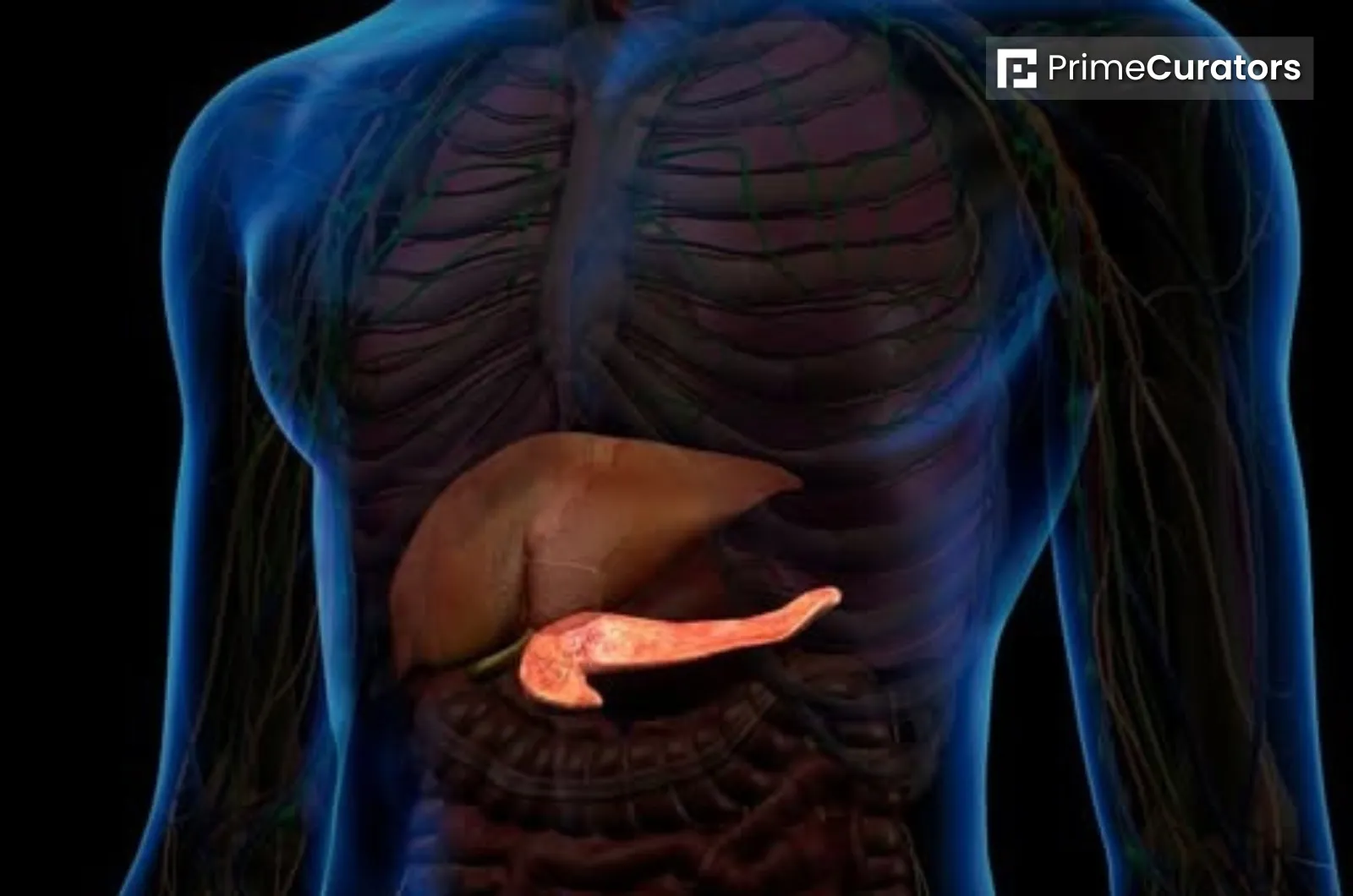
A Breakthrough That Could Change Diabetes Forever
Imagine a world where people with type 1 diabetes no longer need daily insulin injections or harsh immune-suppressing drugs. That future might be closer than we think.
💉 A Historic Step Toward a Cure
In a groundbreaking clinical trial, scientists have helped a 42-year-old man with type 1 diabetes produce his own insulin again—thanks to a transplant of gene-edited pancreatic islet cells.
These cells were modified using CRISPR gene-editing technology to hide from the immune system, avoiding rejection without the use of immune-suppressing drugs.
Researchers made three key genetic edits:
- Removed two immune markers so the cells wouldn’t be seen as “foreign”
- Added CD47, a protective protein that tells the body’s defenses not to attack
Within just 12 weeks, these edited cells began producing insulin in response to glucose spikes, just like a healthy pancreas would.
🌟 Why This Matters
While the amount of transplanted cells wasn’t enough to fully replace all other treatments, this result is clear proof that engineered beta cells can survive and work inside the human body without rejection.
For millions living with type 1 diabetes, this could be the first real path to a long-term cure—free from both insulin injections and immune-suppressing medications that carry serious side effects.
🎯 What’s Next
Scientists are optimistic: with further trials and scaled-up cell production, a functional cure could be possible within the next 5 to 10 years.
You can read more about this study in the New England Journal of Medicine and follow our coverage on Prime Curators’ Health section for future updates.
For broader breakthroughs shaping the future of healthcare, visit our Technology section.