


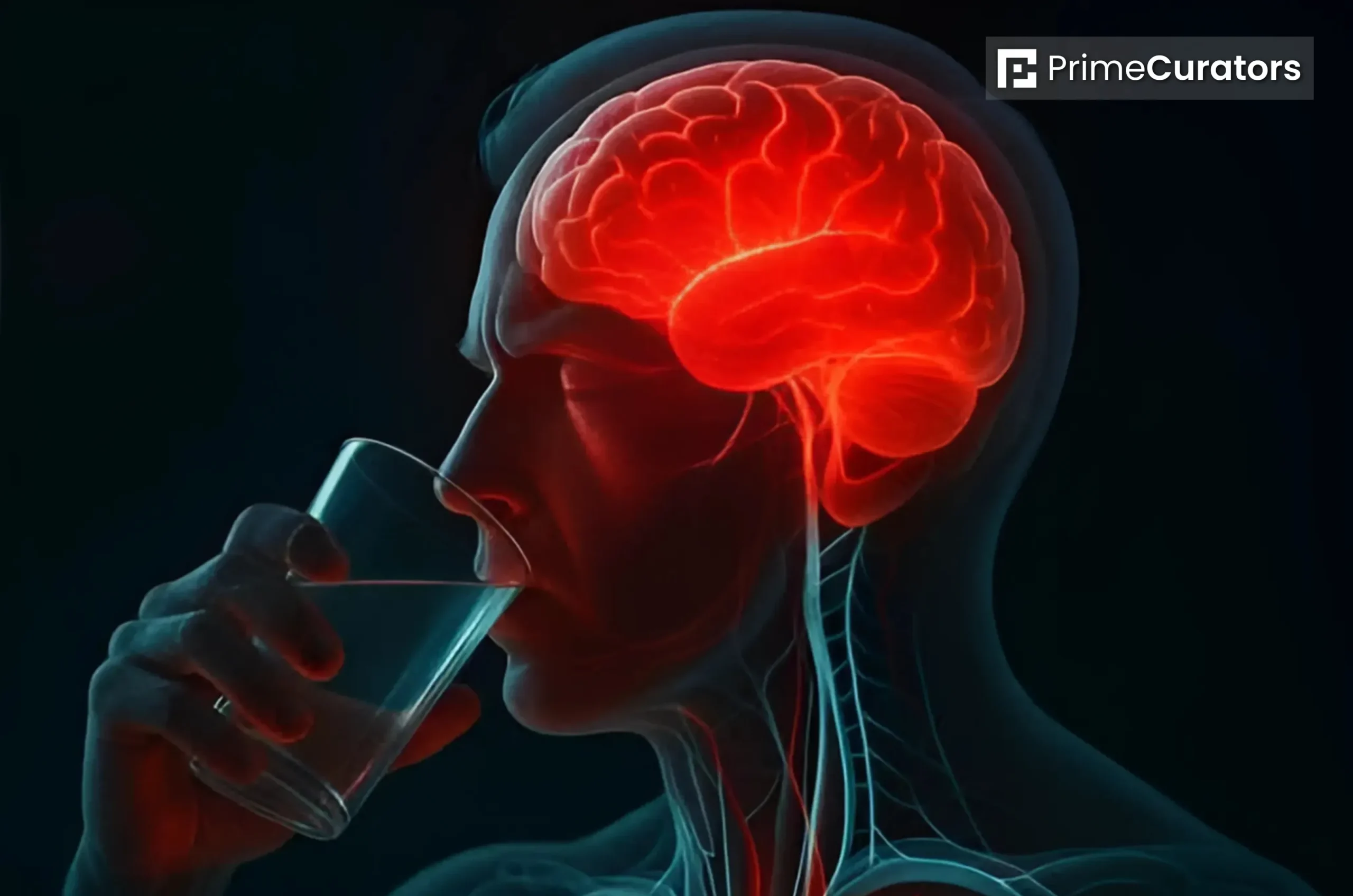
Drinking Too Little Water Triggers Higher Stress Hormones, Raising Risks of Heart Disease and Depression
We often hear that water is essential for life, but many underestimate just how much hydration impacts both mental and physical health. A new study from Liverpool John Moores University reveals that drinking too little water can raise stress hormones by more than 50%, putting the heart, brain, and emotional health at serious risk.
The Link Between Hydration and Stress Hormones
The study tracked participants who consumed only 1.5 liters of water a day—a level below most medical recommendations. Results showed that their cortisol levels—the body’s main stress hormone—spiked dramatically under stress. Elevated cortisol might help in short bursts during emergencies, but when consistently high, it becomes harmful.
Cortisol overload can:
- Weaken the heart and raise cardiovascular disease risk
- Disrupt the brain’s emotional regulation, leading to anxiety and depression
- Reduce immune system strength
- Interfere with memory and focus
This finding highlights that hydration is more than just quenching thirst—it’s a direct way to protect the body from stress-related damage.
Why Water Matters More Than You Think
Water keeps every system in the body functioning. From regulating body temperature to flushing out toxins, it is the foundation of human health. Yet many people rely heavily on coffee, soft drinks, or energy drinks, forgetting that these can actually dehydrate the body further.
Health experts typically recommend around 2–3 liters daily (depending on climate and activity level), but surveys suggest that large portions of the population fail to meet even this minimum.
For more daily health insights, explore Prime Curators’ Health Section ↗.
Small Changes That Make a Big Difference
The study is a reminder that simple daily habits can prevent serious health risks. Here are some practical tips:
- Carry a refillable water bottle and set reminders to sip throughout the day.
- Add natural flavor with lemon, cucumber, or mint if plain water feels boring.
- Prioritize water over sugary or caffeinated drinks.
- Increase water intake during hot weather, workouts, or stressful days.
Protecting Your Brain and Heart Through Hydration
This research offers a powerful takeaway: hydration is mental health care. Drinking enough water doesn’t just keep you refreshed—it actively lowers stress, protects the heart, and supports emotional balance. In a world where chronic stress and heart disease are rising, something as simple as drinking more water may be one of the most accessible and cost-effective solutions we have.