


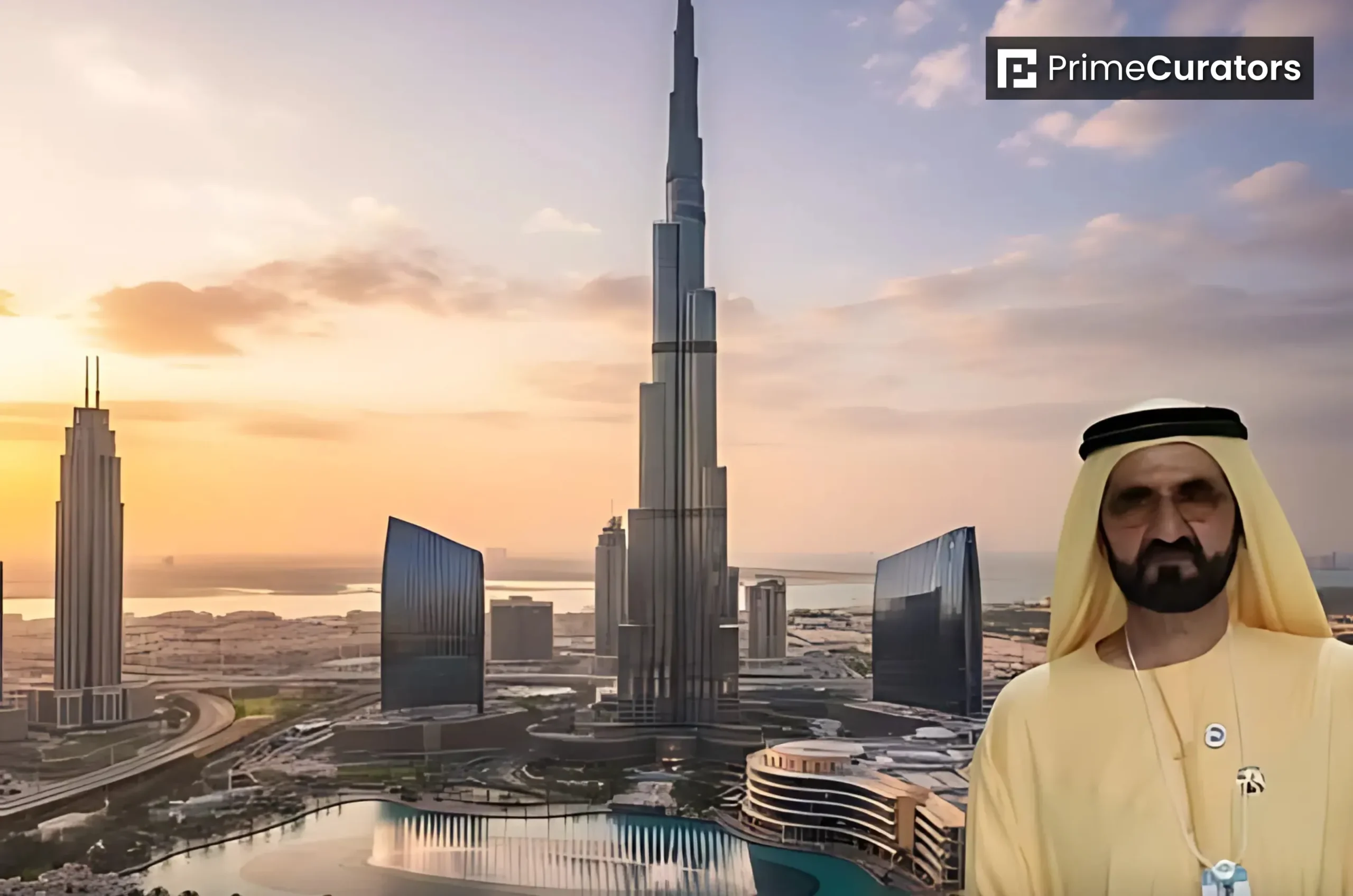
When people think of Dubai, the first image that often comes to mind is glittering skyscrapers rising out of the desert—built, as many assume, on oil money. But here’s the reality: oil contributes just about 1% to Dubai’s GDP today. The real wealth of this global city comes from something much more diverse and forward-thinking.
Dubai has transformed itself into a hub of tourism, real estate, trade, and financial services, proving that long-term vision and smart planning can completely reshape an economy.
The Myth of Oil Wealth
Yes, oil once played a role in Dubai’s early development, but unlike its neighbor Abu Dhabi, Dubai never had massive petroleum reserves. Rather than depending on a depleting resource, the emirate’s leaders made a deliberate choice decades ago: invest in other sectors that could sustain the city for generations.
Today, according to official data, oil revenues make up just 1% of Dubai’s GDP, a tiny fraction compared to its thriving industries.
Tourism: The Crown Jewel of Dubai’s Economy
Tourism is now one of Dubai’s strongest economic engines, contributing around 20% to its GDP.
From the Burj Khalifa (the tallest building in the world) to luxury resorts, desert safaris, and shopping festivals, Dubai has positioned itself as a must-visit destination for travelers worldwide. In 2023 alone, the city welcomed over 17 million international visitors, making it one of the most visited cities in the world.
The government continues to invest heavily in attractions like:
- Expo City Dubai – a hub for global innovation and events.
- Palm Jumeirah – iconic man-made islands packed with luxury hotels.
- Dubai Mall – one of the largest shopping and entertainment complexes globally.
For comparison, explore how tourism drives other global economies through resources like the World Travel & Tourism Council ↗.
Beyond Tourism: Real Estate, Trade, and Finance
Tourism may shine the brightest, but it’s not Dubai’s only success story.
- Real Estate & Construction: Dubai is known for its mega projects and world-class infrastructure, from futuristic skyscrapers to sprawling residential developments.
- Trade: Dubai’s strategic location makes it a global logistics hub, connecting Europe, Asia, and Africa through its ports and airports.
- Financial Services: With the Dubai International Financial Centre (DIFC), the emirate has become a key player in global banking, investment, and fintech.
This mix of industries gives Dubai resilience, helping it weather challenges like fluctuating oil prices or global recessions.
A Model for Diversification
Dubai’s story offers an important lesson for other countries heavily reliant on natural resources: sustainability comes from diversification. By investing in people, infrastructure, and innovation, Dubai has built an economy that doesn’t collapse when oil markets shift.
Its strategy is often compared with other diversification efforts, such as Saudi Arabia’s Vision 2030, which also aims to reduce reliance on oil.
Conclusion
Dubai’s transformation is proof that a nation—or in this case, a city—can completely redefine its economic foundation. Oil might have built the first few towers, but tourism, trade, real estate, and finance now fuel the skyline.
With only 1% of its GDP coming from oil and a whopping 20% from tourism alone, Dubai stands as a symbol of how visionary leadership and strategic diversification can turn limited resources into limitless opportunities.
For more insights into global economic transformations, check out the Business section of Prime Curators ↗.