


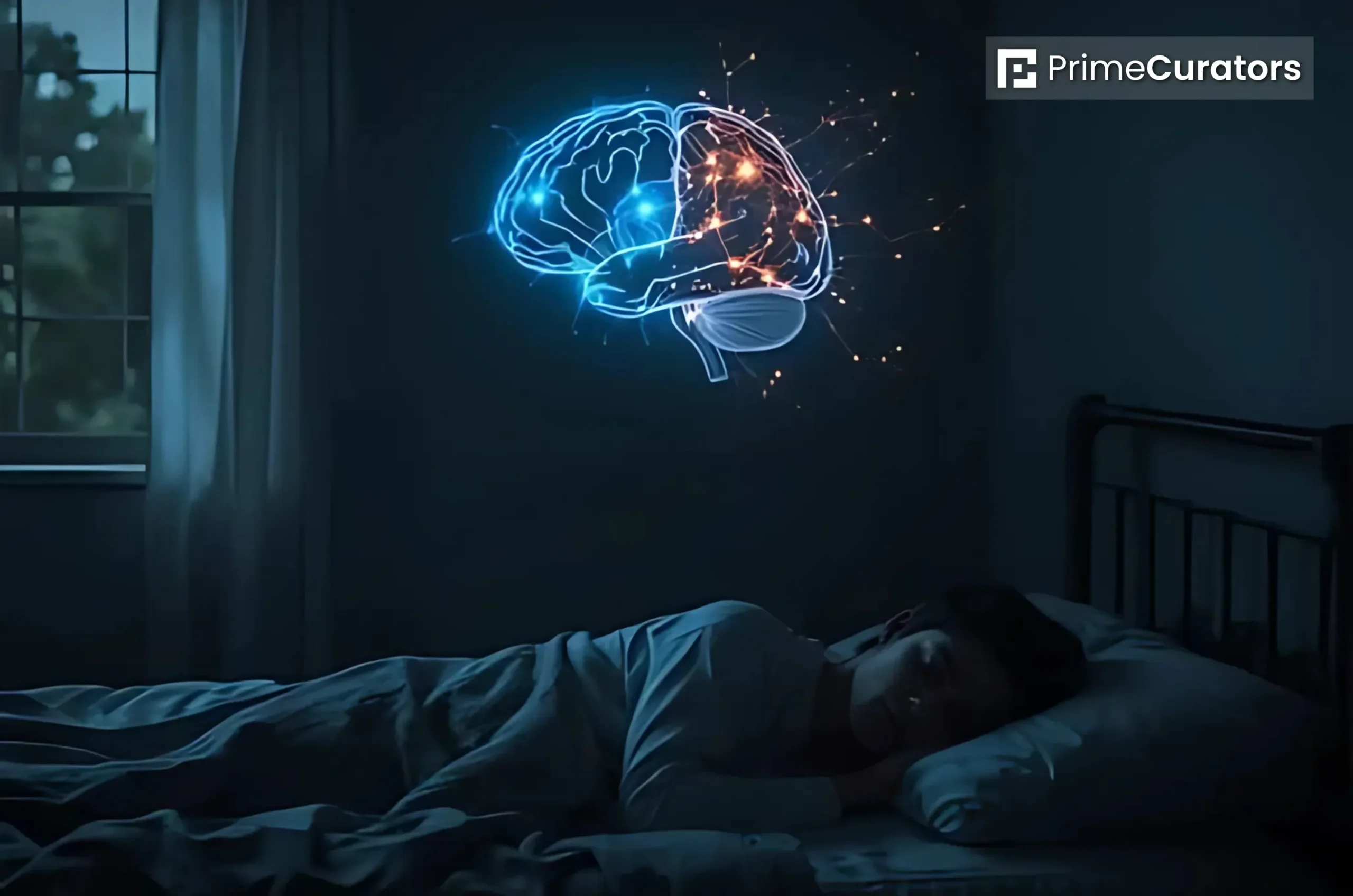
Even Small Light Exposure During Sleep Disrupts Brain Rest and Mental Health
A good night’s sleep is more than just rest—it’s when the brain repairs, resets, and recharges. But research now shows that even small amounts of light exposure while sleeping—whether from a dim nightlight, the glow of a streetlamp, or a phone screen—can disrupt these vital processes and harm long-term mental health.
Why Darkness Matters for Sleep
Sleep is guided by the body’s natural circadian rhythm, controlled by the hormone melatonin. Produced only in darkness, melatonin helps the body enter deep, restorative sleep cycles. But when light is present, melatonin levels drop, making it harder for the brain to perform its nightly functions—like clearing toxins, consolidating memories, and regulating mood.
Studies published in journals like PNAS and Sleep Health confirm that even minimal light exposure during sleep can interfere with brain activity, preventing the restorative benefits of deep sleep.
The Hidden Costs of Sleeping with Light
The impact goes beyond a single restless night. Over time, light exposure during sleep can:
- Increase the risk of depression and anxiety
- Trigger daytime fatigue and irritability
- Impair focus and decision-making
- Lower immune system function
- Potentially accelerate cognitive decline
This means something as small as keeping the TV on or letting streetlight glow seep through curtains could silently damage mental and physical health.
Practical Steps for Better Sleep Hygiene
The good news is that making small changes can help restore the darkness your brain needs. Experts recommend:
- Using blackout curtains or eye masks to block streetlights.
- Avoiding phone use or screens before bed.
- Choosing warm, dim lighting if a nightlight is necessary.
- Keeping bedrooms cool, dark, and quiet to promote deeper sleep.
For more insights into how lifestyle choices affect long-term health, check out Prime Curators’ Health Section ↗.
Rethinking Sleep in a Light-Filled World
We live in a society that is always illuminated—from city lights to glowing gadgets. While light is essential for productivity and safety during the day, at night it can be a silent saboteur of mental and physical health. Protecting darkness during sleep may be one of the simplest yet most powerful ways to support brain health, improve mood, and prevent chronic issues later in life.
Sleep, after all, is not just about closing your eyes—it’s about giving your brain the conditions it needs to heal and thrive.