


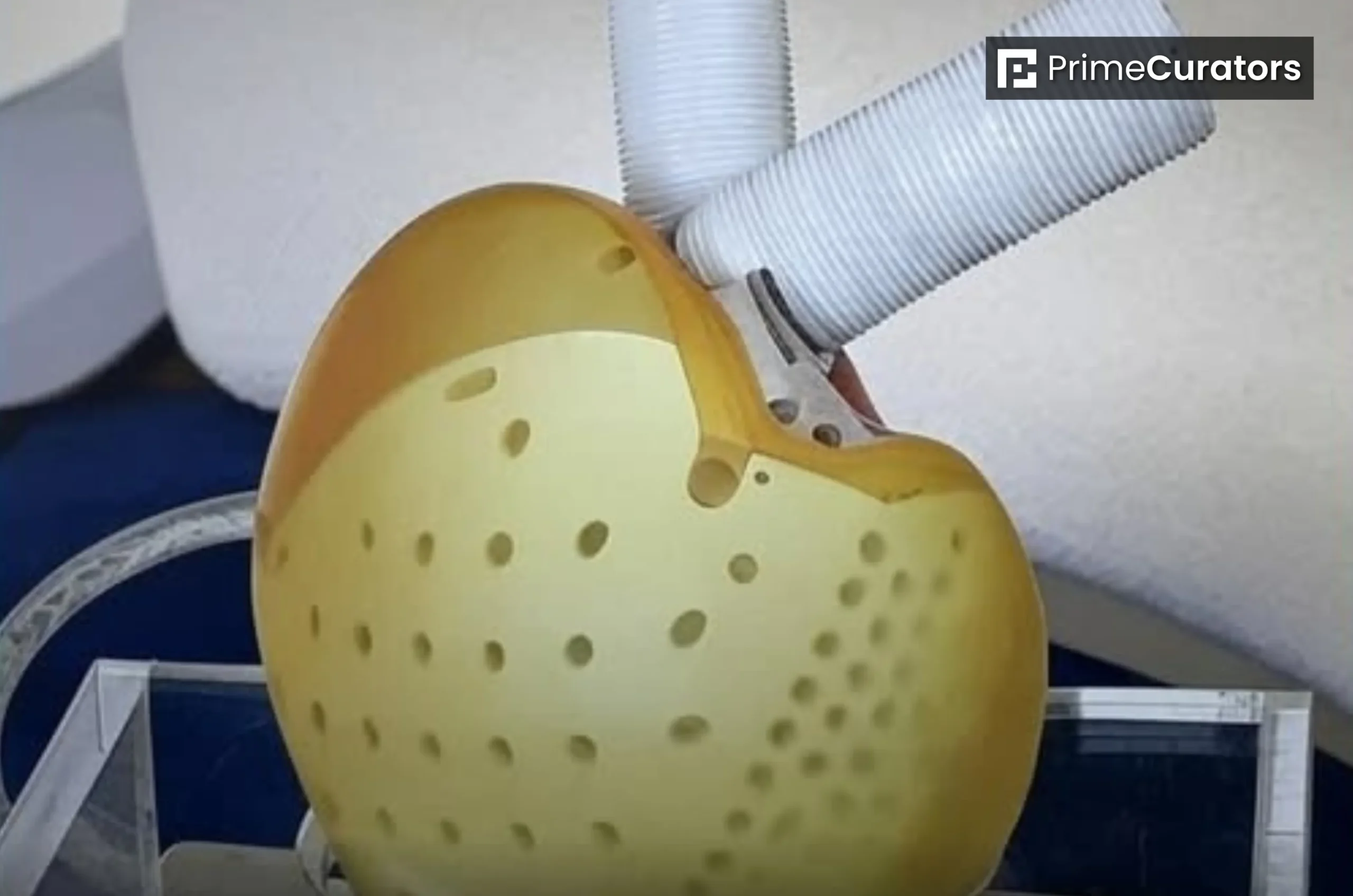
France Unveils Artificial Heart That Beats Endlessly, Ending the Wait for Human Donors
Imagine a world where no patient dies waiting for a heart transplant. That vision just moved closer to reality as France revealed a groundbreaking artificial heart designed to beat indefinitely, eliminating the need for human donors. Developed by the French biomedical company Carmat, this innovation represents a leap forward in cardiac care—one that blends engineering, biology, and compassion.
The Problem with Traditional Heart Transplants
For decades, heart transplants have been the ultimate solution for end-stage heart failure. Yet the procedure comes with a painful limitation: donor availability. Thousands of patients worldwide remain on waiting lists, where time is often the most critical factor.
Mechanical heart pumps exist, but they wear out, need frequent replacements, and can cause complications like clotting or infection. Clearly, the world needed something better—and Carmat’s artificial heart may be the answer.
How France’s Artificial Heart Works
At its core, this new heart is engineered to mimic the natural rhythm of the human heart. Powered by advanced sensors and biomaterials, it automatically adjusts blood flow depending on the body’s needs. Whether a patient is exercising or resting, the device increases or decreases pumping capacity—just like a healthy heart would.
Some standout features include:
- Durability: Built with wear-resistant materials and powered by innovative energy sources, it’s designed to last for decades, compared to pumps that need frequent replacements.
- Biocompatibility: Its electronic and hydraulic systems are wrapped in membranes that mimic living tissue, reducing the risk of rejection or blood clotting.
- Adaptability: Smart sensors allow it to respond in real-time to the patient’s activity level, ensuring steady circulation without manual adjustments.
🧠 Related Read:
A Lifeline for Patients
For patients with severe heart failure, this could be nothing short of life-changing. Instead of facing long waiting lists and uncertain outcomes, they could receive a reliable, durable artificial heart that restores not only survival but also quality of life.
Doctors envision a future where heart failure becomes manageable with technology, not a desperate race against time. The artificial heart could mean:
- Fewer complications compared to traditional mechanical devices.
- The possibility of leading a more active lifestyle.
- A significant reduction in the global demand for donor hearts.
France Leading the Way in Medical Innovation
This achievement is also a reflection of France’s leadership in biomedical innovation. Carmat’s artificial heart is the result of decades of collaboration between engineers, scientists, and top cardiac surgeons.
Clinical trials are still ongoing to refine safety and measure long-term outcomes, but the promise is undeniable: a reliable artificial heart could transform global healthcare.
The Bigger Picture
As technology and medicine converge, the line between biological and artificial life continues to blur. Innovations like this artificial heart are more than mechanical marvels—they represent hope. They show how human ingenuity can create life-sustaining solutions that go beyond what nature alone has provided.
If successful on a global scale, Carmat’s invention could reshape how we view organ transplants and redefine the future of cardiac care.