


Qatar Confirms First Phase of Gaza Ceasefire with Humanitarian and Prisoner Exchange Provisions
In a major diplomatic breakthrough, Qatar’s Foreign Minister announced the launch of the first phase of the Gaza ceasefire agreement, which includes the release of captives and detainees, along with the delivery of humanitarian aid to the war-torn enclave.
The announcement signals a significant step toward easing the devastating humanitarian crisis in Gaza and restoring a measure of stability after months of intense conflict. The ceasefire deal, mediated by Qatar and Egypt with support from the United Nations, is being hailed as a humanitarian lifeline and a vital move toward peace.
Key Details of the Gaza Ceasefire Agreement
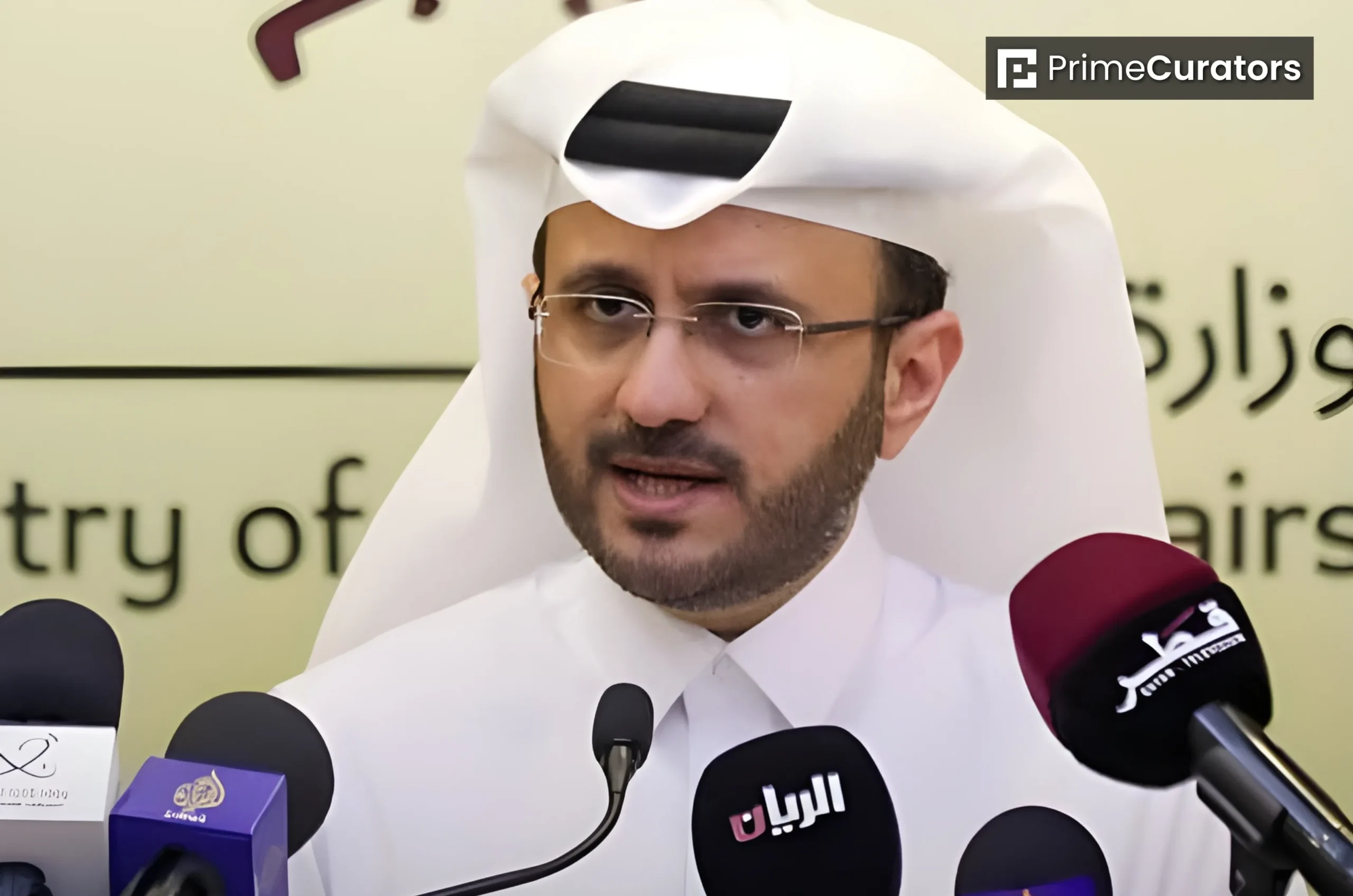
Speaking at a press briefing in Doha, Qatari Foreign Minister Sheikh Mohammed bin Abdulrahman Al Thani outlined the first phase of the agreement. The deal centers on three crucial components:
- Release of Captives and Detainees: Both sides have agreed to a reciprocal exchange involving civilians and detainees. The release process will be overseen by international observers to ensure transparency and security.
- Humanitarian Aid Access: Dozens of aid trucks carrying essential supplies such as food, medicine, fuel, and water will enter Gaza through the Rafah crossing. The aid is aimed at reaching displaced families and hospitals struggling under siege conditions.
- Temporary Truce and Monitoring: The ceasefire will initially span several days, during which negotiations will continue for a more comprehensive and long-term truce.
This announcement follows earlier reports from Prime Curators’ Middle East Desk on growing international calls for unrestricted humanitarian access in Gaza and a halt to hostilities. You can read more about regional peace efforts in our Global section ↗.
A Glimmer of Hope for Gaza’s Civilians
The Gaza conflict, ongoing since October 2023, has left tens of thousands dead and displaced hundreds of thousands more. With infrastructure destroyed and hospitals overwhelmed, civilians have borne the heaviest burden of the war.
The Qatari-mediated deal represents a vital moment of relief. Aid organizations, including the United Nations Relief and Works Agency (UNRWA) and Red Crescent, have already begun coordinating logistics for immediate delivery of supplies.
“Humanitarian access must be guaranteed without conditions,” said a spokesperson for Médecins Sans Frontières (Doctors Without Borders), who emphasized the importance of sustained aid flow and medical support for Gaza’s wounded and displaced.
For ongoing updates about humanitarian responses and recovery efforts, visit Prime Curators’ Health ↗ and Global News ↗.
International Response and Diplomatic Momentum
The United Nations, European Union, and several world leaders have welcomed Qatar’s role in mediating the ceasefire. UN Secretary-General António Guterres called the development “a hopeful step” and urged all sides to respect the truce and continue dialogue toward a durable peace framework.
Meanwhile, Egyptian officials, who played a supporting role in the talks, confirmed that discussions are ongoing to solidify subsequent phases of the agreement. These will reportedly address border access, reconstruction plans, and future political guarantees to prevent another escalation.
Observers say the move reflects Qatar’s growing influence in regional diplomacy. Over the past decade, Doha has positioned itself as a key mediator in Middle Eastern conflicts, from Afghanistan to Sudan — and now, once again, in Gaza.
For more geopolitical and diplomatic insights, check out the Politics section ↗ of Prime Curators.
Toward a Sustainable Peace
While the announcement has sparked optimism, analysts warn that maintaining the ceasefire will require consistent international engagement and mutual restraint. Past truces have collapsed under renewed tensions, but this agreement — tied closely to humanitarian needs and prisoner exchanges — offers a more practical and human-centered foundation.
Experts believe that international oversight and continued dialogue could help sustain peace. Efforts by Qatar, Egypt, and the United Nations are expected to play an essential role in ensuring compliance and rebuilding trust between conflicting parties.
If successful, this truce could pave the way for reconstruction efforts and long-term solutions to Gaza’s humanitarian catastrophe.