


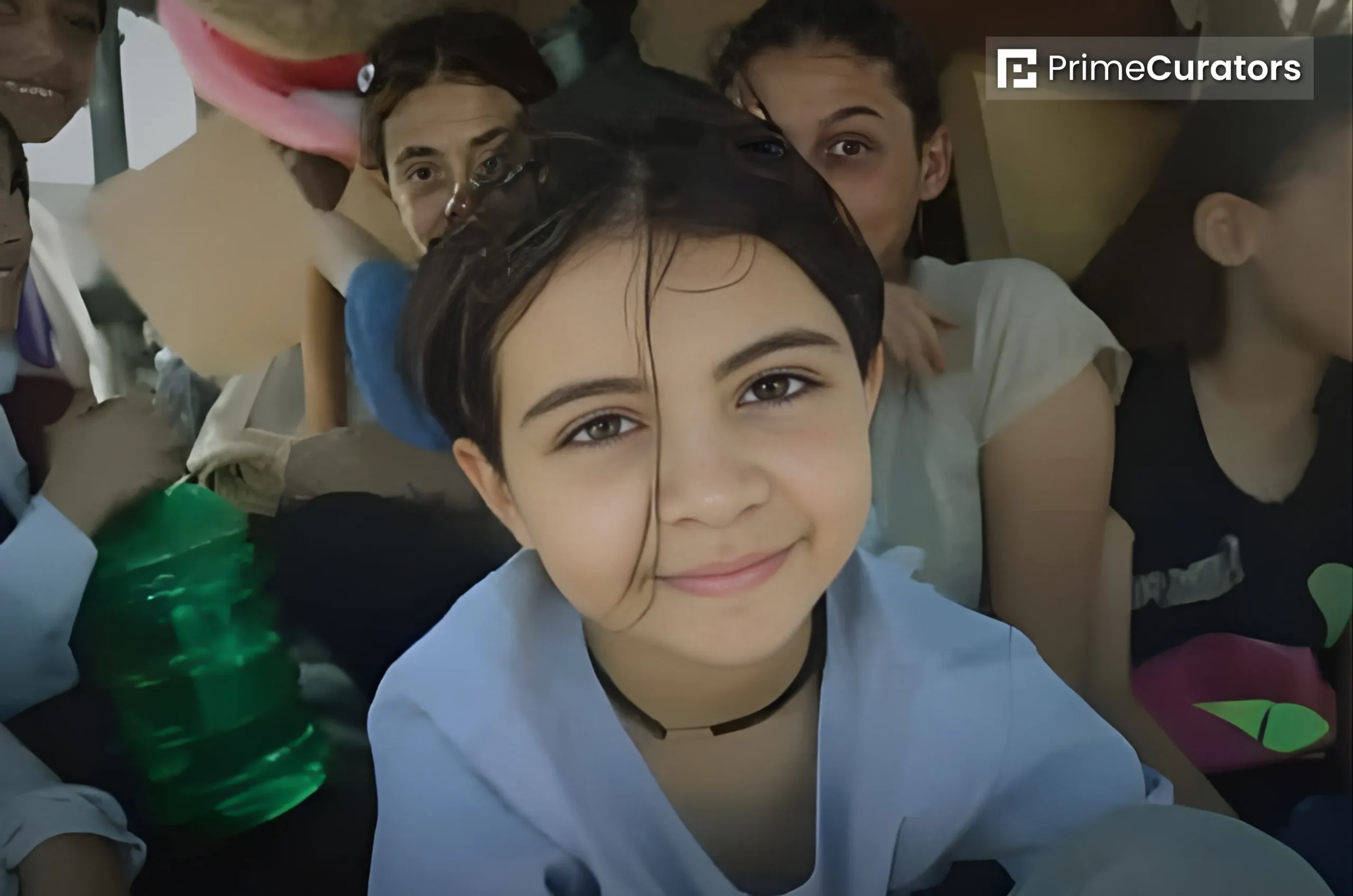
Gaza ’s Lost Classrooms: UNICEF Pushes to Bring 650,000 Children Back to School
Months of relentless bombardment have turned Gaza ’s schools into piles of rubble — a grim symbol of a childhood stolen by war. Now, the United Nations Children’s Fund (UNICEF) ↗ is racing against time to bring 650,000 children back to education, even as much of the territory remains devastated and unsafe.
According to UNICEF, nearly every school in Gaza has been damaged, destroyed, or converted into shelters for displaced families. More than one million children have had their education disrupted since the war began, leaving them not only without learning but without safety or stability.
As Al Jazeera ↗ reports, UNICEF’s mission is clear: to rebuild learning spaces, train teachers, and deliver educational kits that can reach children wherever they are — even in temporary shelters or hospitals.
When Learning Becomes a Lifeline
In the middle of chaos, education may seem secondary, but for Gaza’s children, it’s a lifeline of hope and normalcy. UNICEF officials emphasize that learning helps children recover from trauma, find structure, and imagine a future beyond war.
“We can’t afford to lose an entire generation,” said Tess Ingram, a UNICEF spokesperson. “Education is not a privilege — it’s a right, even in emergencies.”
Gaza’s lost classrooms represent more than destroyed buildings; they represent lost futures. Many teachers have been displaced, while others continue lessons under tents or in damaged schoolyards, trying to keep the light of knowledge alive despite unimaginable hardship.
When Learning Becomes a Lifeline
In the middle of chaos, education may seem secondary, but for Gaza’s children, it’s a lifeline of hope and normalcy. UNICEF officials emphasize that learning helps children recover from trauma, find structure, and imagine a future beyond war.
“We can’t afford to lose an entire generation,” said Tess Ingram, a UNICEF spokesperson. “Education is not a privilege — it’s a right, even in emergencies.”
Gaza’s lost classrooms represent more than destroyed buildings; they represent lost futures. Many teachers have been displaced, while others continue lessons under tents or in damaged schoolyards, trying to keep the light of knowledge alive despite unimaginable hardship.
Barriers to Rebuilding Education in Gaza
Rebuilding Gaza’s education system is a monumental challenge. With infrastructure shattered, access to safe learning environments remains a distant dream. Many school buildings now shelter families who lost their homes, and resources like books, desks, and electricity are severely limited.
UNICEF and its partners are working to set up temporary learning spaces and digital education programs that can function even without traditional classrooms. However, continued blockades and restricted humanitarian access make it nearly impossible to deliver consistent aid.
A UN report ↗ noted that more than 80% of Gaza’s population depends on humanitarian assistance, and without a stable ceasefire, every effort to rebuild is at constant risk of destruction.
A Call to the Global Community
The international community’s role has never been more crucial. UNICEF is appealing for urgent funding to restore Gaza’s education system, emphasizing that every dollar can help a child return to learning — and regain a sense of purpose.
“Education is not just about textbooks,” said Catherine Russell, UNICEF’s Executive Director. “It’s about restoring hope.”
Activists worldwide are urging leaders to prioritize humanitarian access and pressure all parties to uphold the right to education under international law. As covered in previous Prime Curators Middle East reports ↗, peace and education are deeply intertwined — without one, the other cannot thrive.
The Future Hangs in Balance
For Gaza’s 650,000 displaced children, the future is uncertain, but not lost. UNICEF’s campaign stands as a reminder that even amid war, humanity must protect its youngest minds.
If the world acts now — funding education, supporting peace, and amplifying awareness — Gaza’s classrooms might once again echo with the sound of learning instead of loss.
To stay informed on global humanitarian efforts and education initiatives, follow Prime Curators ↗ for the latest stories shaping the world’s future.