


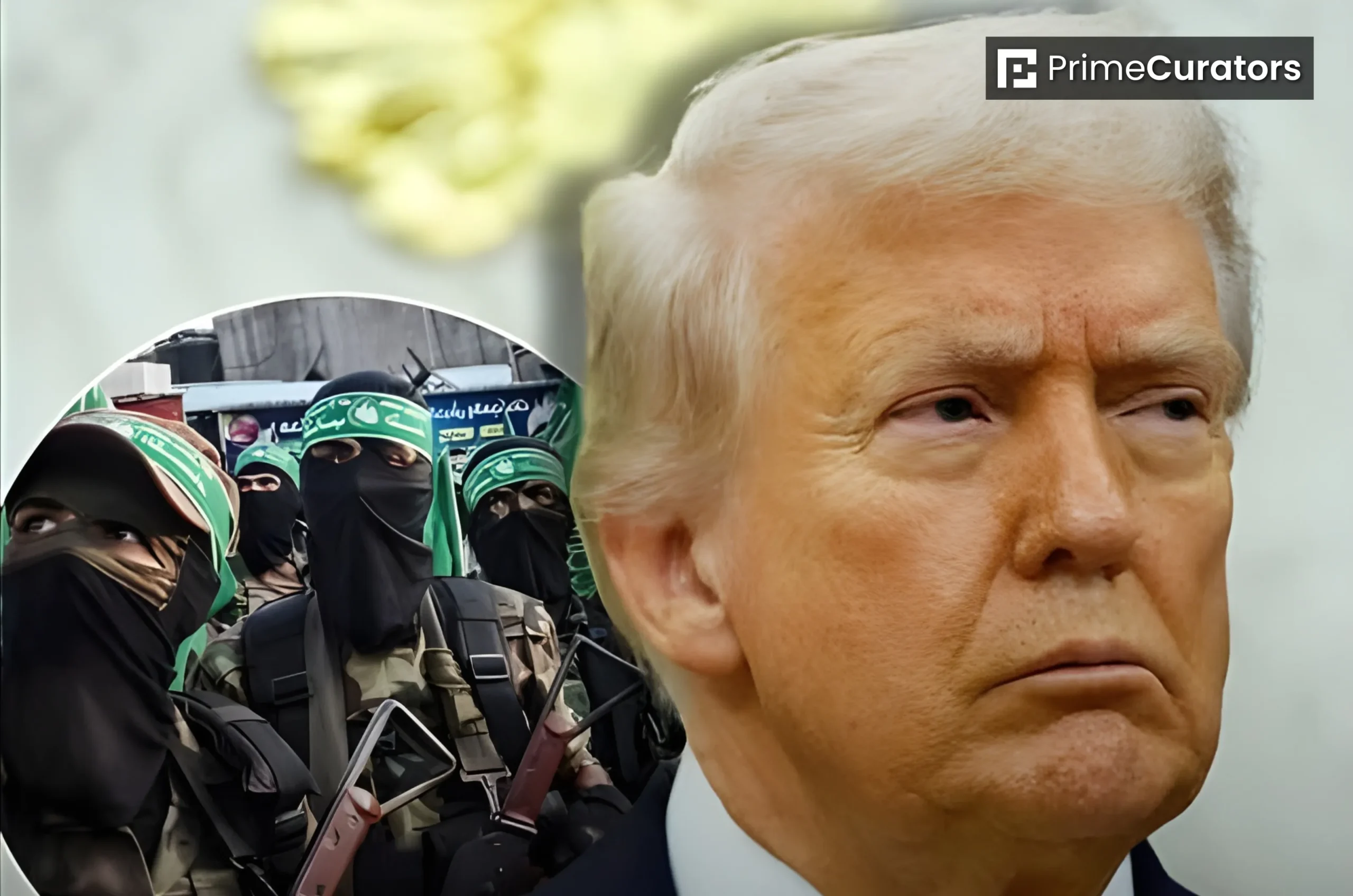
Israel-Hamas Tensions Spike as Trump Warns: “We Will Have No Choice but to Go In and Kill Them.”
President Donald Trump issued a blunt warning this week aimed at Hamas, saying that if the group “continues to kill people in Gaza… we will have no choice but to go in and kill them.” The remarks, delivered amid a fragile ceasefire and heated diplomacy, mark a sharp, public escalation in tone from Washington.
What he said — and why it matters
Trump’s comment frames the issue as an ultimatum: if Hamas cannot or will not stop internal killings and violence in Gaza, the United States — or forces acting with U.S. support — may back more direct action to remove the threat. While he later clarified that U.S. troops would not be immediately deployed, his language signals a tougher stance and places pressure on mediators and regional partners to act.
This statement arrives at a delicate moment. A ceasefire recently brokered with help from Egypt, Qatar and the United States has already been strained by disputes over hostages, returns of bodies, and internal violence inside Gaza. The threat of renewed or expanded military action risks unraveling fragile gains and could draw neighboring states into heightened tensions.
Reactions at home and abroad
Internationally, leaders and diplomats reacted with concern, calling for restraint and urging that any moves preserve civilian safety and international law. Humanitarian groups warned that more violence would deepen an already devastating crisis for civilians in Gaza, undoing aid efforts and increasing civilian suffering. Media outlets and analysts noted the shift in U.S. rhetoric could embolden partners to consider stronger measures — or spark new cycles of retaliation.
Inside the U.S., the statement drew mixed responses: some supporters praised the firm posture toward Hamas, while others cautioned that aggressive language without clear strategy risks further instability and the possibility of unintended consequences.
The humanitarian stakes
Any talk of expanded military action raises immediate humanitarian alarms. Gaza’s hospitals, water systems, and supply lines remain fragile after prolonged conflict; renewed strikes or ground operations would worsen shortages and imperil civilians already displaced and traumatized. Aid organizations have repeatedly urged all parties to put civilian protection first and to ensure that humanitarian corridors remain open.
What could happen next
Several scenarios are possible: stronger diplomatic pressure on Hamas to disarm and cooperate with ceasefire terms; targeted operations by regional partners supported by the U.S.; or a risky escalation if ceasefire terms collapse. International mediators — especially Egypt and Qatar — are likely to intensify shuttle diplomacy to prevent further violence and to preserve the fragile truce.
Why context matters
It’s important to note that political statements in times of crisis can be both strategic and performative. Leaders often use public warnings to shape behavior, but the translation from words to action is complex: it requires logistics, legal authorization, coalition building, and a plan to protect civilians. Readers should watch for follow-up statements from the White House, the Pentagon, and regional governments for specifics beyond the headline threat.
The world hopes diplomacy can prevent another round of violence. But blunt ultimatums — however intended to deter — also raise the temperature quickly. For Gaza’s civilians, every escalation risks more homes, schools, and hospitals, and the urgent work of aid groups on the ground. The coming days will show whether words are followed by de-escalation or by actions that widen the conflict.
- More on the ceasefire and regional diplomacy: Prime Curators — Global Politics ↗
- Sources cited: Reuters ↗, Al Jazeera ↗, Bloomberg ↗.