


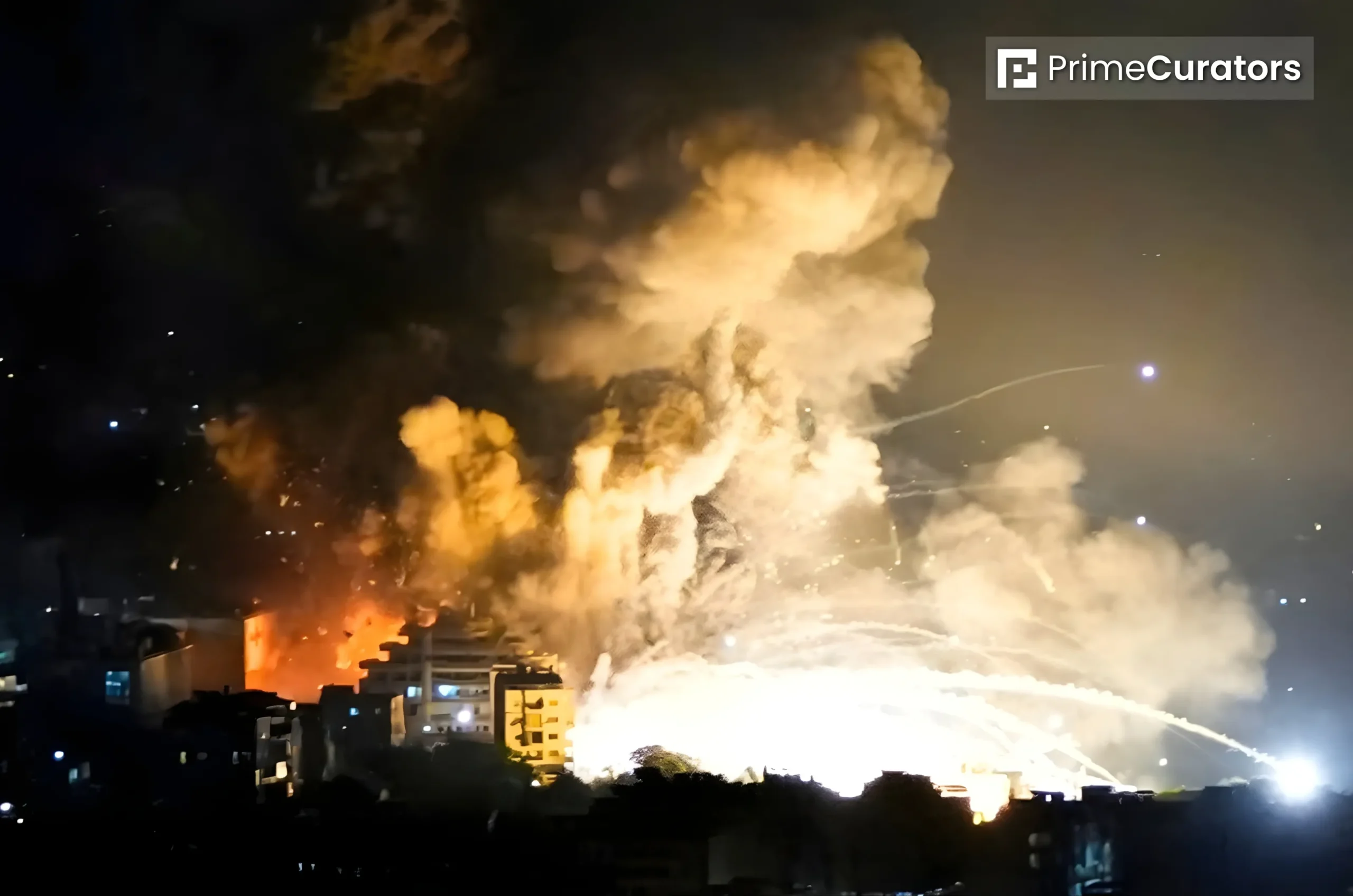
Israel Conducts Nine Airstrikes Across Southern and Eastern Lebanon
Tensions in the Middle East flared again Thursday evening as Israel carried out nine airstrikes across southern and eastern Lebanon, marking one of the most significant escalations between the two nations in recent months. The strikes reportedly targeted areas believed to host militant activity, but local reports indicate that civilian neighborhoods were also affected, raising fears of a widening conflict in the region.
Airstrikes Intensify Along the Border
According to Lebanese media, explosions were heard in the towns of Bint Jbeil, Marjayoun, and Baalbek, areas that have previously seen intermittent clashes between Israeli forces and Hezbollah. Residents described a night filled with the sound of jets and distant booms, with several buildings and agricultural fields damaged.
The Israeli Defense Forces (IDF) confirmed the airstrikes in a brief statement, claiming they were aimed at “militant infrastructure” in response to earlier rocket launches from Lebanese territory. However, Lebanon’s military and government officials condemned the attacks, calling them a “violation of sovereignty” and warning of consequences if the situation continues to escalate.
For ongoing coverage of regional conflicts and international developments, readers can visit Prime Curators’ Global Section ↗ for in-depth reports on world affairs and Middle East updates.
Regional Tensions Rising
The latest strikes come amid growing tensions between Israel and Hezbollah, the powerful Lebanese militant group backed by Iran. In recent weeks, cross-border incidents have become more frequent, with both sides exchanging fire near the Blue Line — the UN-demarcated boundary separating the two countries.
Analysts believe these attacks could be part of a broader regional ripple effect from ongoing unrest in Gaza and the West Bank. “Each new strike risks expanding the conflict beyond containment,” said a political analyst quoted by Reuters ↗. “The danger lies not only in the physical damage but in the collapse of fragile diplomatic understandings.”
Humanitarian Concerns Mount
Local humanitarian organizations have voiced concern over the impact on civilians, especially in rural areas where medical infrastructure is limited. Several families were reportedly displaced after airstrikes damaged homes near Marjayoun, though no official casualty figures have yet been confirmed.
The Lebanese Red Cross has deployed emergency response teams to assess the damage and provide aid to affected communities. The group emphasized that continuous aerial bombardments make it increasingly difficult to access remote areas in need of assistance.
International organizations such as Human Rights Watch and the United Nations have previously warned both parties about the humanitarian risks of escalation, urging restraint and adherence to international law.
For related humanitarian coverage, visit Al Jazeera’s Middle East Section ↗ and BBC World News ↗.
Calls for De-escalation
As news of the strikes spread, regional powers and global leaders called for calm. The UN Interim Force in Lebanon (UNIFIL) confirmed that it was monitoring the situation closely and maintaining contact with both sides to prevent further deterioration.
A UNIFIL spokesperson stated:
"We urge all parties to avoid actions that could further inflame tensions and lead to unintended escalation. Dialogue remains the only path to sustainable stability."
Meanwhile, the Lebanese government is reportedly considering filing a formal complaint with the United Nations Security Council (UNSC), citing repeated violations of its airspace and sovereignty.
A History of Fragile Peace
The Israel-Lebanon border has long been a flashpoint for regional conflict. The 2006 Lebanon War left deep scars on both nations, displacing over a million people and causing widespread destruction. Since then, an uneasy calm has largely prevailed — though recent months have seen that calm unravel.
Observers fear that without diplomatic intervention, the region could slide into another large-scale confrontation, drawing in neighboring countries and destabilizing the already volatile Middle East landscape.