


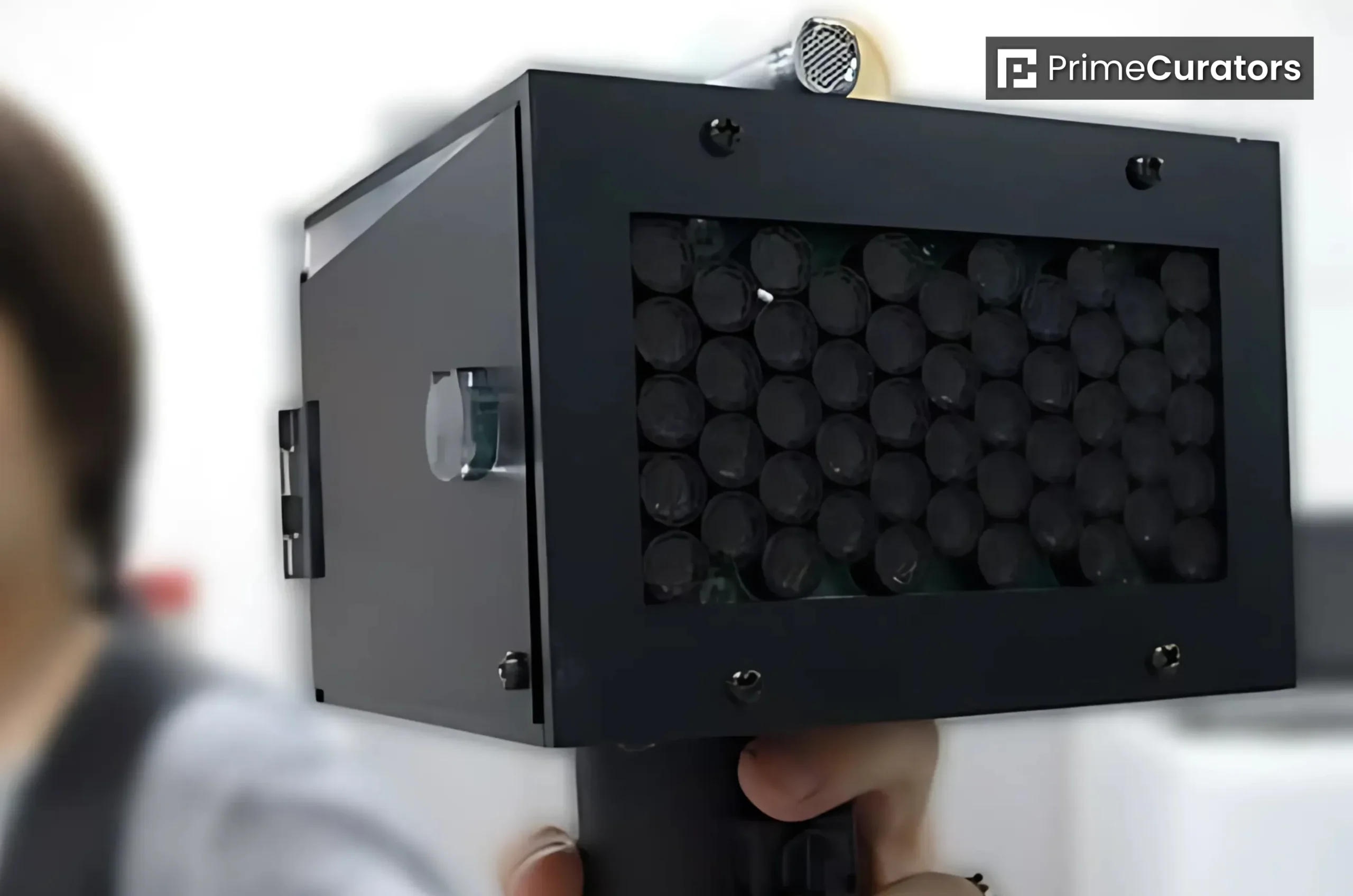
Japan Created Speechjammer Device That Records, Delays, and Disrupts Speech, Effectively Stopping Unwanted Talking
In 2012, two Japanese researchers, Kazutaka Kurihara and Koji Tsukada, introduced a unique invention that grabbed global attention—the SpeechJammer. This device was designed to do something most of us have wished for at some point: stop someone from talking too much.
But how does it work? The SpeechJammer doesn’t use force or threats. Instead, it plays with the natural way our brain processes speech, creating an effect so confusing that the person talking finds it nearly impossible to continue.
How the SpeechJammer Works
The magic behind this invention lies in a technique called delayed auditory feedback (DAF).
Here’s the process:
- The device records the speaker’s voice through a microphone.
- It then plays the voice back to the speaker with a slight delay of just a few hundred milliseconds.
- This small delay disrupts the brain’s normal speech coordination, making it incredibly difficult for the speaker to form sentences.
Imagine trying to read a book while someone whispers your words back to you half a second late—it’s nearly impossible to keep your flow. That’s essentially how the SpeechJammer “jams” unwanted speech.
Possible Uses for the Device
The researchers suggested that this technology could be used in everyday situations where silence or order is needed. For example:
- Meetings: To prevent people from interrupting or dominating discussions.
- Libraries or Quiet Zones: To maintain peaceful environments.
- Lectures or Events: To help moderators control disruptions without confrontation.
On the surface, it sounds like a handy solution, especially in places where patience wears thin due to constant chatter.
The Ethical Debate
However, while the SpeechJammer is fascinating, it also raises serious ethical questions. Free speech is a fundamental right, and a device designed to suppress it—even temporarily—can be seen as controversial.
Critics argue that, if misused, this technology could easily cross into controlling expression in ways that limit open communication. For instance, imagine using it to silence protesters, journalists, or anyone expressing an unpopular opinion.
This debate is part of the larger discussion about the balance between technological innovation and human rights. Similar conversations arise around surveillance tools, AI, and digital privacy.
For further reading on how technology influences free expression, you can explore reports from organizations like Human Rights Watch ↗.
A Glimpse Into the Future of Communication Control
The SpeechJammer never became a mainstream gadget, but its creation sparked curiosity about how science and technology can influence human behavior in subtle but powerful ways. It also highlighted how inventions, even when designed with good intentions, must always be weighed against ethical concerns.
Japan’s SpeechJammer remains a reminder of how innovation can blur the line between convenience and control. It’s not just about silencing unwanted talk—it’s about asking bigger questions: Should we always build what we are capable of building?
📌 Conclusion
The SpeechJammer may sound like a futuristic tool out of a science fiction movie, but it’s a real example of how technology can directly interfere with human communication. While practical in certain situations, it also underscores the importance of ethical responsibility in innovation.
As we continue to create smarter and more powerful devices, the SpeechJammer teaches us a valuable lesson—technology must be guided by principles that respect human dignity and freedom.
For more fascinating stories at the crossroads of science, technology, and society, check out the Tech section of Prime Curators ↗.