


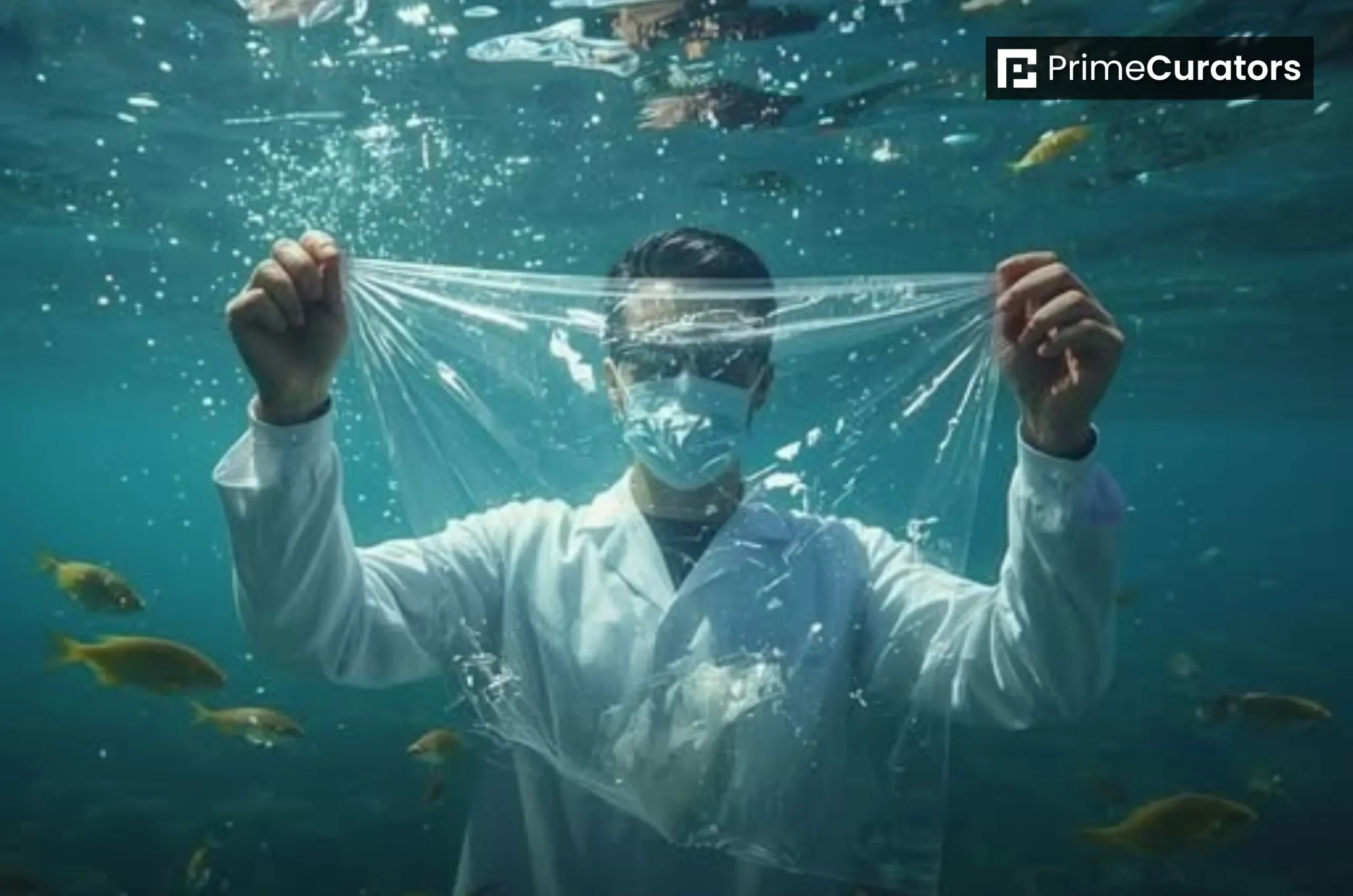
Japan Develops Strong Plastic That Dissolves in Seawater Without Leaving Microplastics
Plastic pollution has long been one of the biggest threats to our oceans. From microplastics in fish to floating waste islands, the problem feels overwhelming. But researchers in Japan may have just offered the world a hopeful solution.
Scientists at RIKEN and the University of Tokyo have developed a groundbreaking type of biodegradable plastic that is as strong as traditional petroleum-based plastics but completely dissolves in seawater within hours—without leaving behind harmful microplastics.
How This New Plastic Works
Unlike many “eco-friendly” plastics that take months or years to break down—and often leave tiny microplastic particles—this material fully degrades into harmless components that natural ocean bacteria can safely consume.
It’s not just biodegradable; it’s also:
- Non-toxic – safe for marine life and ecosystems.
- Non-flammable – making it safer to handle and transport.
- Carbon-neutral – leaving behind no long-term carbon footprint.
This means that even if packaging or waste made from this plastic accidentally enters the ocean, it won’t fuel the global microplastic crisis.
Why This Matters for Our Oceans
Over 8 million tons of plastic enter the ocean every year, according to UNEP. Much of it breaks down into microplastics that end up inside fish, seabirds, and even our drinking water.
The new Japanese plastic could revolutionize how industries approach packaging, fishing gear, and single-use items—three of the biggest culprits of ocean plastic waste.
By creating a material that vanishes safely in saltwater, researchers are offering a real-world tool in the fight against ocean pollution.
A Step Toward a Sustainable Future
While the material is still in early development, its potential applications are vast. Imagine food packaging, bottles, or shipping materials that do their job and then disappear safely in nature.
Of course, it’s not a silver bullet. Experts remind us that reducing plastic use, boosting recycling systems, and encouraging responsible consumer behavior are still crucial. But innovations like this bring us closer to a world where plastic and nature can co-exist without long-term harm.
For more on eco-innovation, check out Prime Curators’ Tech section.
Final Thoughts
Japan’s seawater-dissolving plastic is more than just a scientific breakthrough—it’s a glimpse of hope for our oceans. If scaled successfully, it could help rewrite the future of packaging and dramatically cut down on ocean pollution.
The fight against plastic waste is far from over, but with science and innovation leading the way, the tides may finally be turning.