


Lab-Grown Immune Cells Show Promise in Reversing Memory Loss and Brain Aging
The fight against Alzheimer’s disease and age-related memory loss has taken a hopeful turn. In a groundbreaking study, scientists at Cedars-Sinai Medical Center successfully used lab-grown immune cells to restore memory and brain health in mice. This research could pave the way for revolutionary therapies targeting cognitive decline in humans.
How Lab-Grown Immune Cells Work
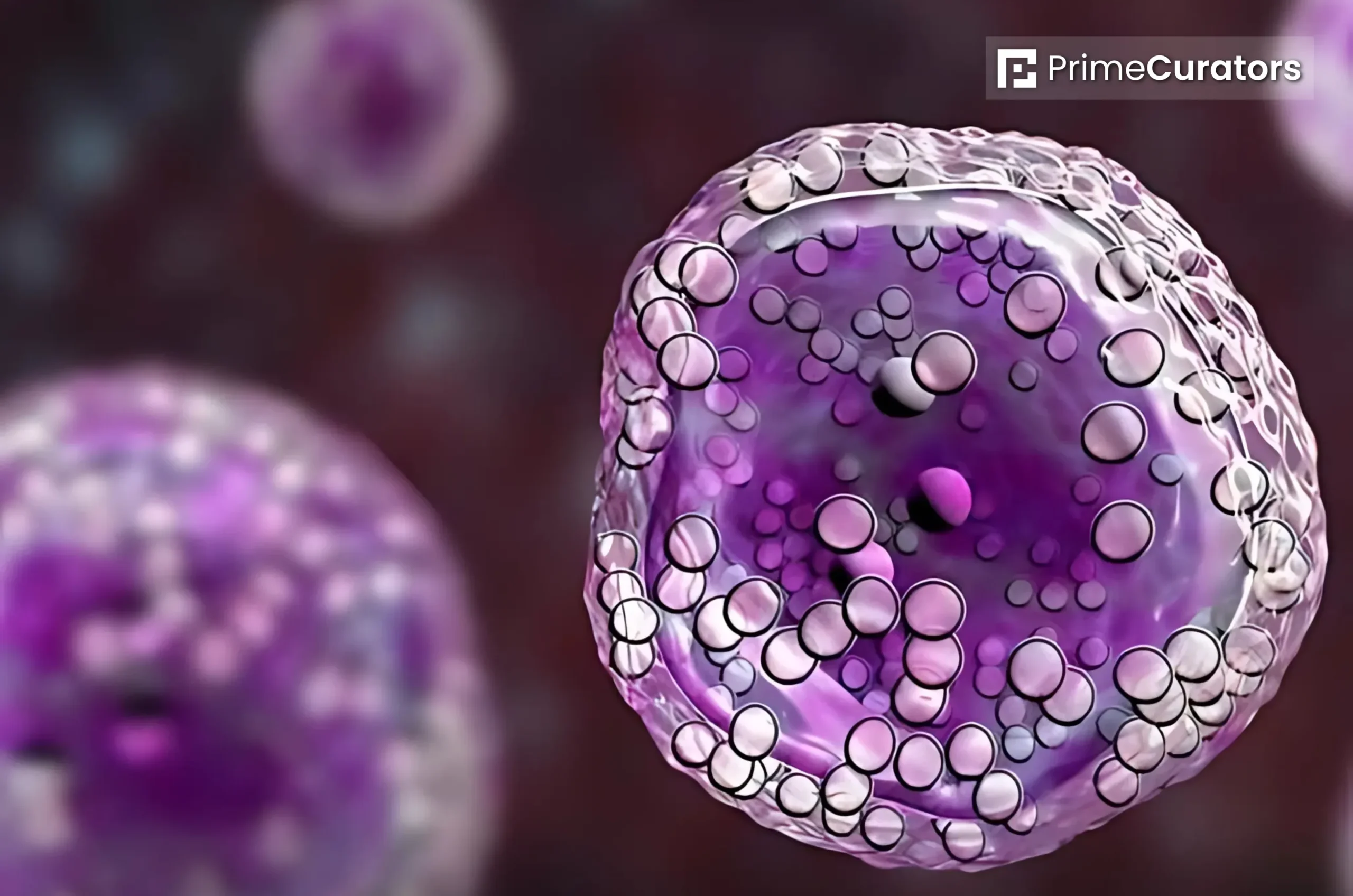
The scientists developed immune cells known as mononuclear phagocytes from adult stem cells. These lab-grown “young” cells were then infused into aged mice and those engineered to model Alzheimer’s disease.
The results were striking. Mice that received the treatment showed:
- Improved memory function
- Healthier microglia, the brain’s immune cells
- Better retention of mossy cells in the hippocampus, a region crucial for learning and memory
Interestingly, the infused cells didn’t enter the brain directly. Instead, researchers believe they worked indirectly—possibly by releasing protective proteins, shedding tiny vesicles that reached the brain, or absorbing harmful aging-related molecules from the bloodstream.
Why This Study Matters
For decades, Alzheimer’s research has struggled to find effective treatments. Most therapies aim to reduce symptoms rather than address the underlying causes. The use of lab-grown immune cells introduces a fresh approach: harnessing the body’s own immune system to protect and restore brain health.
This discovery not only holds potential for treating Alzheimer’s disease but could also help combat general brain aging. If successful in humans, it may one day allow doctors to reverse memory loss, improve learning, and extend cognitive vitality well into old age.
The Road Ahead
While the study’s results are promising, they are still in the preclinical stage, meaning they’ve only been tested in mice so far. The next challenge is understanding exactly how these cells exert their effects and whether they can be safely scaled up for human therapies.
Cedars-Sinai researchers aim to refine this approach and eventually create personalized treatments using a patient’s own stem cells. This could reduce the risk of rejection and open the door to tailored therapies for millions suffering from Alzheimer’s and other age-related cognitive disorders.
A Step Toward Hope
Every breakthrough in neuroscience brings us closer to unraveling the mysteries of the brain. With more than 55 million people worldwide living with dementia (source: WHO ↗), the need for innovative solutions has never been greater.
The idea that lab-grown immune cells can reverse memory loss not only sparks scientific excitement but also offers hope for patients and families who dream of a future free from the shadows of Alzheimer’s.
For more updates on breakthroughs in health and science, check out our Health ↗ and Science & Space ↗ sections.