


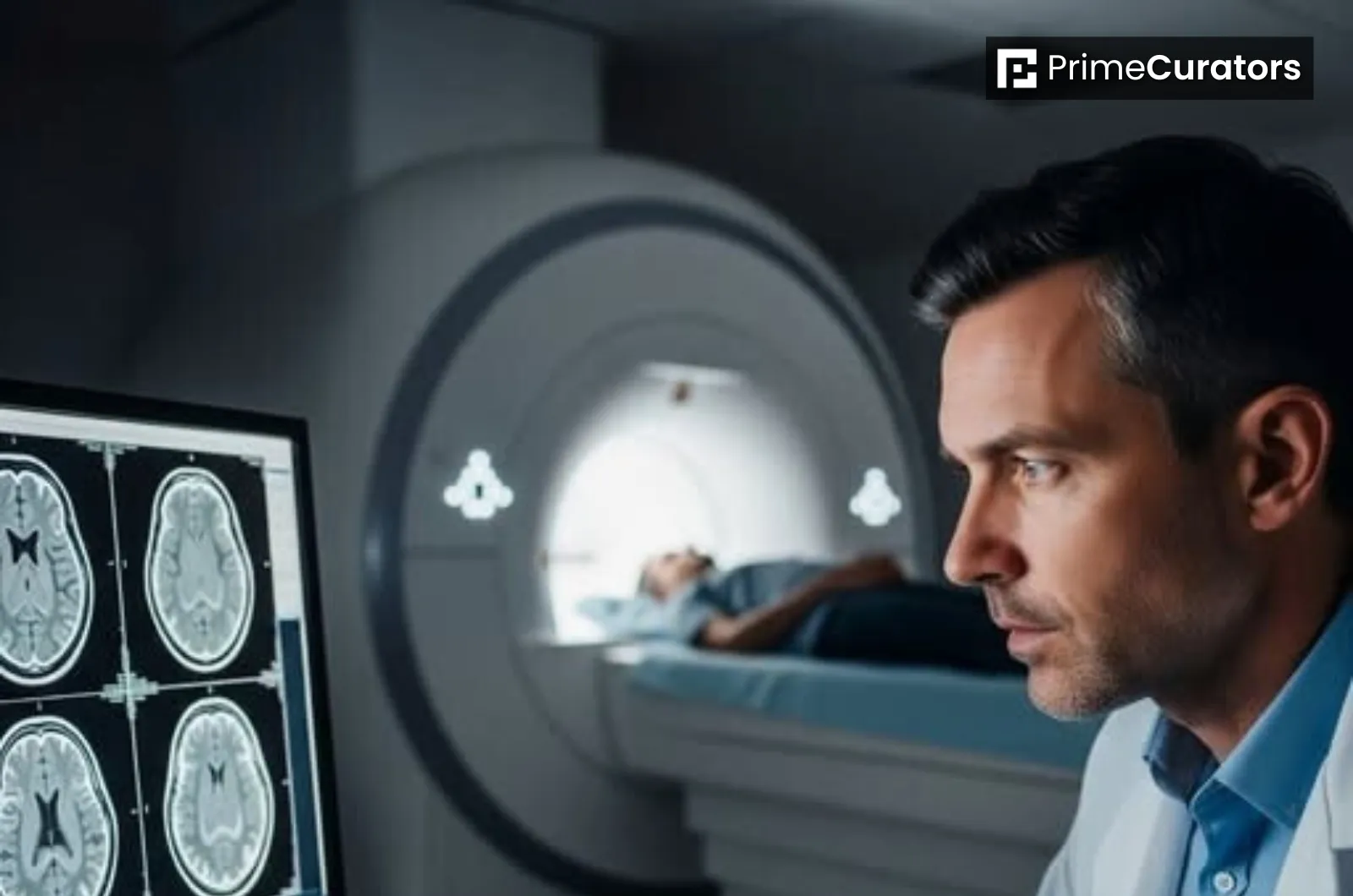
Magnetic Resonance Imaging (MRI) is one of the most advanced and non-invasive diagnostic tools in modern medicine. By using strong magnetic fields and radio waves, it helps doctors create highly detailed images of internal organs, tissues, and even blood vessels—without the need for surgery.
But here’s where it gets interesting: while MRI machines themselves don’t release nanoparticles, some contrast agents used to make scans clearer do.
Why Nanoparticles Are Used in MRI
Certain MRI scans—especially those detecting tumors, inflammation, or soft tissue damage—require contrast agents to highlight specific areas of the body. Some of these agents contain superparamagnetic iron oxide nanoparticles (SPIONs).
These tiny particles work like a spotlight, making abnormalities much easier to detect. This is a major advantage in early diagnosis of serious conditions such as cancer or neurological diseases.
Are Nanoparticles Safe?
For most patients, yes. All contrast agents used in hospitals are strictly regulated by health authorities like the U.S. Food and Drug Administration (FDA) and the European Medicines Agency (EMA).
Still, researchers have observed that nanoparticles may sometimes accumulate in the liver, spleen, or even the brain after multiple scans. Although rare, this has raised questions about possible long-term effects, including:
- Mild inflammation
- Oxidative stress at the cellular level
To address these concerns, scientists are actively working on safer and biodegradable alternatives that can provide the same clarity without lingering in the body.
What Patients Should Know
If your doctor recommends a contrast-enhanced MRI, it’s because the benefits outweigh the risks. Doctors carefully consider your health history before prescribing it.
In fact, most people undergo MRI contrast scans without any side effects. For those with special conditions, like kidney problems or allergies, medical professionals ensure alternative approaches are available.
If you’re curious about medical innovations, check out more health insights on our Prime Curators Health Section.