


Over $1B & 20 Years in the Making: The Grand Egyptian Museum Finally Opens in Cairo
After two decades of anticipation, Egypt has officially opened the Grand Egyptian Museum (GEM) — a $1 billion project that now stands as one of the largest and most advanced museums in the world. Located just two kilometers from the iconic Giza Pyramids, the museum celebrates the legacy of ancient Egypt’s pharaohs, artifacts, and timeless civilization.
The opening on Saturday marks the culmination of over 20 years of planning, construction, and global collaboration, positioning GEM as Egypt’s crown jewel of cultural tourism.
According to Reuters ↗, the Grand Egyptian Museum will house more than 100,000 artifacts, including the complete collection of King Tutankhamun’s treasures, many of which have never been displayed before.
A Vision Realized: From Blueprint to Global Landmark
Construction of the Grand Egyptian Museum began in 2002 with a vision to create a bridge between Egypt’s glorious past and its modern identity. The project faced numerous delays due to political unrest and financial challenges, but the Egyptian government and international partners persisted — and their efforts have finally paid off.
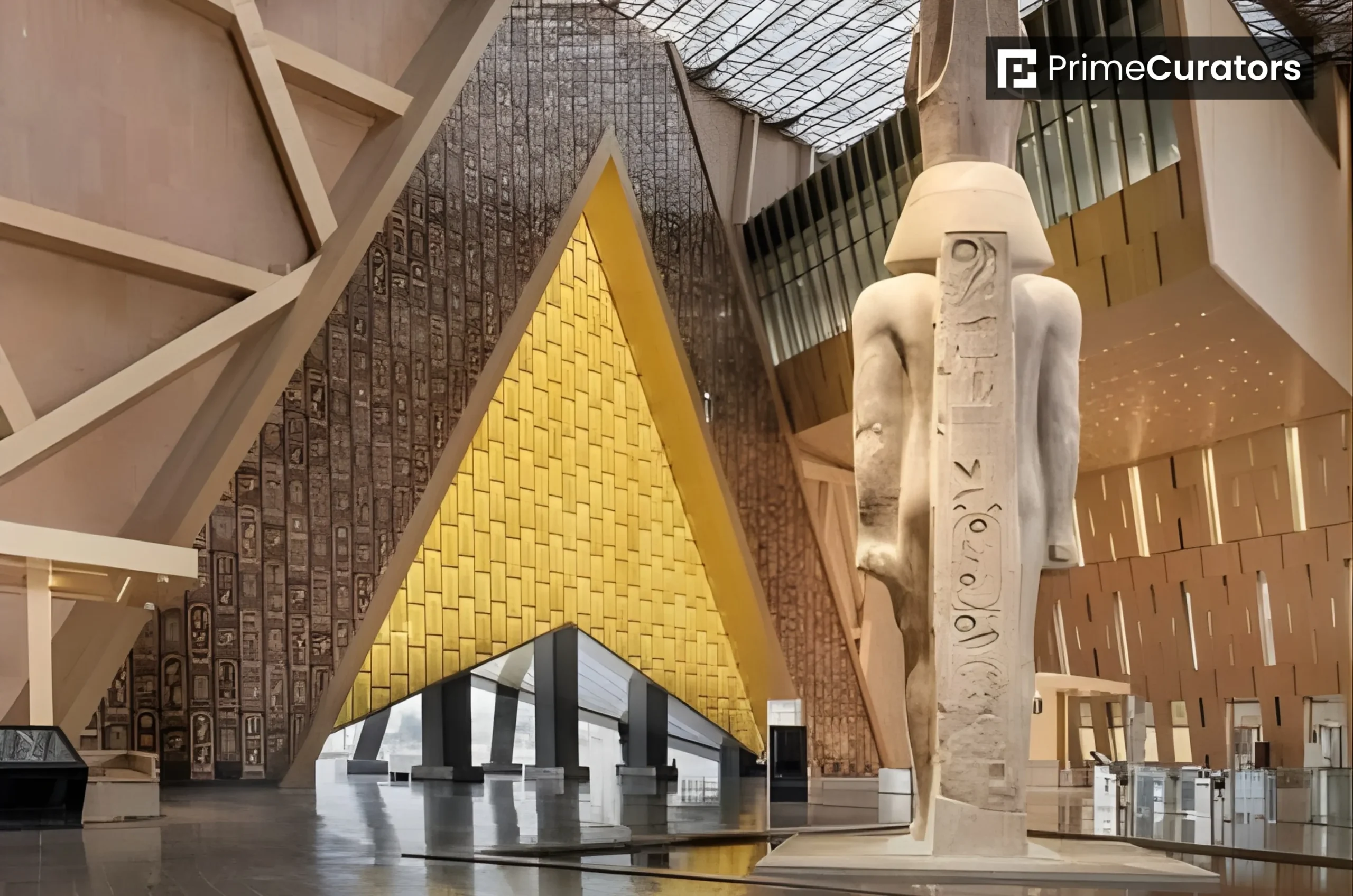
Designed by the Dublin-based architecture firm Heneghan Peng, the museum spans nearly 500,000 square meters, featuring massive galleries, research facilities, and educational centers. Its design intentionally aligns with the pyramids of Giza, symbolizing the connection between Egypt’s ancient and modern eras.
Visitors entering the museum are greeted by a colossal statue of Ramses II, standing tall in the Grand Hall — a powerful reminder of Egypt’s enduring legacy.
As Egypt’s Minister of Tourism and Antiquities stated,
“The Grand Egyptian Museum is not just a museum — it’s a message to the world that Egypt preserves its heritage, celebrates its past, and welcomes the future.”
Inside the GEM: Where History Comes Alive
The museum’s collection spans 5,000 years of history, showcasing the evolution of ancient Egyptian life, art, and spirituality. Beyond the iconic Tutankhamun collection, visitors can explore sections dedicated to the Old, Middle, and New Kingdoms, along with interactive exhibits on mummification, ancient crafts, and daily life.
The Children’s Museum and Virtual Reality experiences bring history to life for younger audiences, making GEM not only a destination for scholars and historians but also for families and tourists.
According to National Geographic ↗, the Grand Egyptian Museum’s conservation center is one of the largest in the world, playing a vital role in restoring delicate artifacts and preserving Egypt’s cultural legacy for generations to come.
Economic and Cultural Impact
The opening of GEM is expected to boost Egypt’s tourism industry, which contributes significantly to the national economy. In 2023, Egypt recorded nearly 15 million visitors, and officials hope that the museum’s global appeal will attract even more travelers eager to witness the marvels of the ancient world firsthand.
Egyptian authorities also view GEM as a soft power tool — a symbol of cultural diplomacy and national pride, designed to strengthen Egypt’s image as a hub for history, science, and education.
Tour operators are already including GEM in their luxury travel packages, with some offering combined tours of the Pyramids of Giza, the Sphinx, and the museum’s new exhibits. For travelers, this represents a once-in-a-lifetime journey through time — from the age of the pharaohs to the digital era.
A New Era for Egypt’s Heritage
With its opening, the Grand Egyptian Museum joins the ranks of the world’s most important cultural institutions, alongside the Louvre in Paris and the British Museum in London. Yet unlike them, GEM tells Egypt’s story from within Egypt, reclaiming ownership of its history and narrative.
As Prime Curators ↗ continues to cover stories that bridge innovation, culture, and heritage, the GEM stands as a testament to what can be achieved when vision meets persistence.