


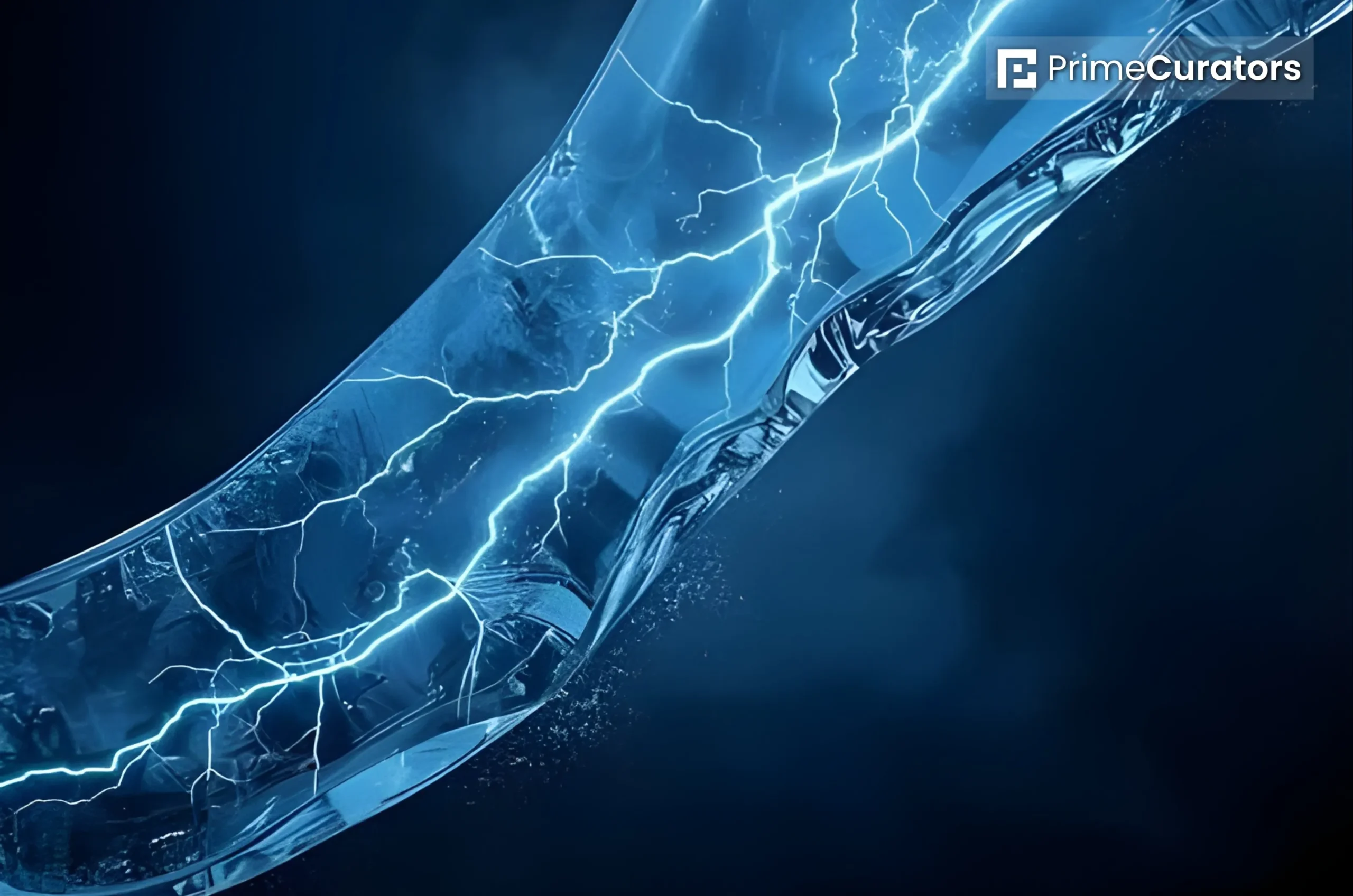
Ice That Shocks: Scientists Discover Electricity Generation in Bent or Stretched Ice
The humble ice we see in our freezers or on mountain peaks may hold a surprising secret — it can generate electricity. According to a groundbreaking study published in Nature Physics, researchers have found that bending, twisting, or stretching ice can produce electric charges through a phenomenon called flexoelectricity.
This revelation challenges what scientists previously believed about ice and opens a fascinating new chapter in the study of natural energy sources.
How Does Ice Generate Electricity?
Flexoelectricity occurs when the structure of a material produces an electric charge due to uneven mechanical stress — such as bending or stretching. Unlike piezoelectric materials, which require a particular crystal arrangement, flexoelectricity can happen in any material, including ice.
In this study, researchers from Spain, China, and the United States found that when ice is slightly deformed between two electrodes, it emits a measurable electric current. This discovery means that even common ice has the potential to convert physical stress into energy.
The scientists also noticed that the ice’s electrical properties change with temperature. When temperatures dropped extremely low, the surface of the ice developed a ferroelectric layer, allowing it to switch electrical polarity — much like how magnets can reverse their poles.
A Natural Wonder with Future Potential
This finding could have a ripple effect across multiple scientific fields — from energy technology to planetary science. If ice can produce electricity through physical motion, it may help explain certain natural electrical phenomena, such as the formation of lightning in icy storm clouds or electrical activity in polar regions.
Moreover, the ability of ice to generate power under stress could inspire new clean energy technologies, particularly in extreme environments like the Arctic or outer space. Imagine future energy-harvesting devices that use the flexing of ice sheets or glaciers to generate small but consistent amounts of electricity.
At a time when the world is searching for sustainable and renewable energy sources, discoveries like this remind us that nature still holds many untapped secrets.
“It’s remarkable that something as ordinary as ice could contain such complex electrical behavior,” said one of the study’s lead authors. “This opens possibilities for developing new kinds of nanogenerators that convert mechanical energy into electrical energy.”
Why This Matters for Science and Energy
This discovery goes beyond academic curiosity. Understanding how materials like ice can produce electricity could lead to innovations in sensor technology, environmental monitoring, and even space exploration.
For instance, planetary scientists could use this knowledge to study icy moons such as Europa or Enceladus — where flexoelectric effects might play a role in the planets’ natural electromagnetic activity.
Meanwhile, engineers working on renewable energy solutions may one day design flexoelectric-based energy systems that mimic the behavior of ice, harnessing mechanical stress from movement, vibration, or pressure to create clean electricity.
Read More at Prime Curators
At Prime Curators ↗, we cover cutting-edge discoveries that shape the future — from scientific innovations to technological breakthroughs. For related stories, explore our Science & Space ↗ section or check out other articles in our Tech category to see how science meets innovation in everyday life.
For a deeper dive into the original study, visit Nature Physics ↗ for detailed research data and insights from the scientific community.