


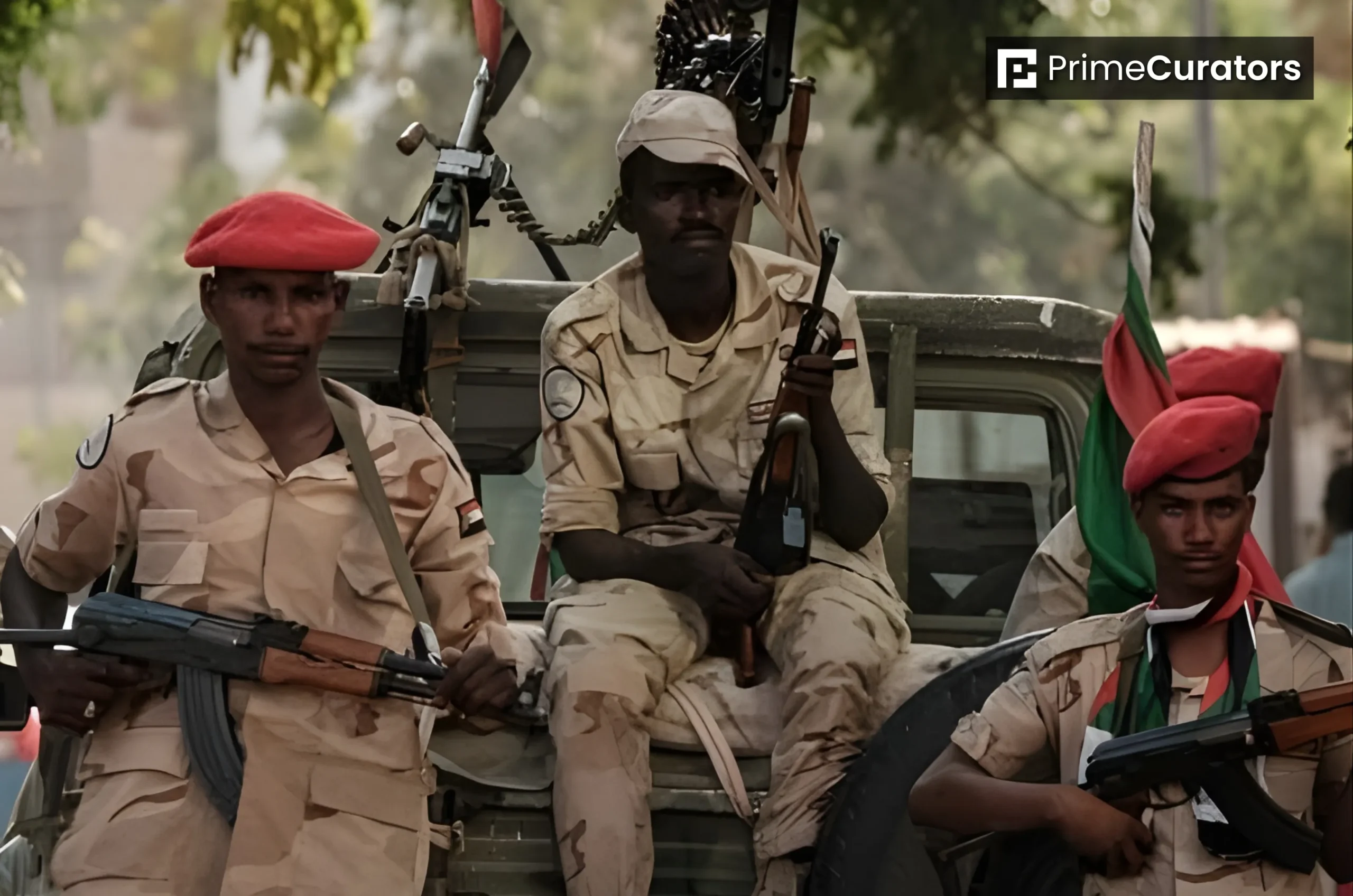
Rapid Support Forces Allegedly Welcome Trump’s Efforts to Help End Sudan War
Sudan’s devastating conflict continues to push the country into deeper humanitarian turmoil, but a new development has added global attention to the crisis. The Rapid Support Forces (RSF) have reportedly welcomed former U.S. President Donald Trump’s announcement that he is working to help end the violence in Sudan—an unexpected diplomatic twist that has sparked discussions across international circles.
During a recent address, Trump stated that he was trying to stop the “atrocities” occurring in Sudan, confirming that he stepped in after receiving a request from Saudi Crown Prince Mohammed bin Salman. With millions displaced, thousands killed, and entire regions on the brink of collapse, any attempt at mediation signals a possible shift in the ongoing war.
A Conflict That Has Ravaged Sudan
The war between the Rapid Support Forces (RSF) ↗ and the Sudanese Armed Forces (SAF) ↗ has torn Sudan apart since April 2023. Cities like Khartoum, El Geneina, and Nyala have witnessed extreme violence, mass displacement, and growing famine risks. International organizations such as the UN, WHO, and Human Rights Watch continue to warn that the conflict is creating one of the world’s worst humanitarian emergencies.
Prime Curators has covered the crisis in multiple reports—read more in our Global ↗ and Politics ↗ sections for context on how the war escalated and why peace efforts have repeatedly stalled.
Why Trump’s Statement Matters
Trump’s admission came as a surprise, especially at a time when the global community has been urging major powers to intervene diplomatically. While the U.S. government has already been involved through sanctions and humanitarian support, Trump’s personal involvement introduces a different angle—one that some Sudanese groups, including those aligned with the RSF, reportedly view positively.
The RSF’s alleged welcoming of Trump’s effort suggests that even militia groups may be seeking a breakthrough. However, critics caution that diplomatic interventions must involve all parties in Sudan, not just one faction, to avoid fueling further division.
The Role of Saudi Arabia
Saudi Arabia has been a central player in previous ceasefire attempts, co-hosting peace talks alongside the United States in Jeddah. However, those negotiations broke down several times due to violations from both sides.
Crown Prince Mohammed bin Salman’s request to Trump highlights the kingdom’s continuing interest in stabilizing the region, especially given Sudan’s proximity to the Red Sea—a crucial global trade route. Saudi Arabia has previously hosted refugees, delivered humanitarian aid, and pushed for ceasefire agreements.
If the kingdom is now encouraging Trump to step in, it signals that current diplomatic channels may not be enough and that new actors are needed to break the deadlock.
Can External Pressure Bring Peace?
Analysts say external pressure could help, but only if it targets both warring factions equally. Sudan’s civil war is deeply complex, involving political struggles, tribal tensions, and foreign influence from nations like the UAE, Egypt, and others.
What is clear is that Sudanese civilians are paying the highest price.
Hospitals have collapsed, communication networks are failing, and families are struggling to find food and water. International NGOs continue to appeal for more aid and safer routes to deliver it.
A Glimmer of Hope—or Another Diplomatic Mirage?
While the RSF’s positive reaction indicates openness to dialogue, peace in Sudan will require more than statements. Until both the RSF and the SAF commit to a meaningful ceasefire, Sudan remains trapped in violence.
Still, Trump’s involvement adds an unexpected layer to global efforts. Whether this will lead to actionable talks or fade as political noise remains to be seen. For now, Sudanese civilians—and the world—wait for any genuine step that brings the nation closer to peace.