



Robots to Run Government? Albania Appoints the World’s First AI Minister to Fight Corruption
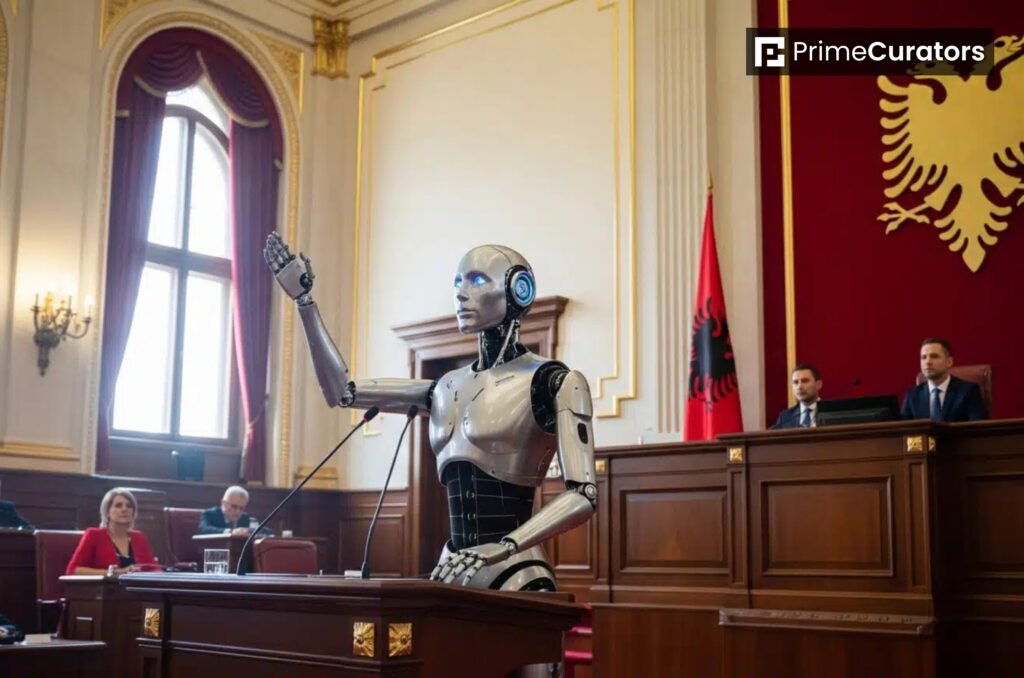
In a move that has shocked the world and sparked intense debate, Albania has appointed the world’s first-ever AI minister — named Diella — to combat corruption and oversee public tender decisions. This groundbreaking initiative could mark the beginning of a future where robots and algorithms help run governments, reshaping how public systems operate.
A Bold Leap Into the Future
Governments across the globe have long struggled with corruption. Public funds misused, shady tender deals, and backroom agreements have often left citizens disillusioned and mistrustful. Albania has decided to tackle this head-on — not with more human oversight, but with artificial intelligence.
Diella, the new AI minister, has been tasked with monitoring, reviewing, and approving all public procurement and tender processes. Instead of human officials handling contracts, an advanced algorithm will analyze bids, spot conflicts of interest, and block suspicious activities automatically.
This means less human bias, fewer political favors, and more transparency — at least in theory.
📰 Also Read on Prime Curators:
Why Use AI Minister to Fight Corruption?
Corruption often thrives in the shadows — hidden deals, manipulated documents, and personal favoritism are hard to catch. Human oversight, while essential, can be flawed by personal bias, fatigue, or even bribery.
An AI system like Diella operates differently. It uses machine learning and data analysis to evaluate every tender decision objectively. If something looks unusual — like a company repeatedly winning contracts despite higher prices — the AI can immediately flag it for further review or reject it outright.
This approach could:
- Eliminate favoritism by ensuring all bidders get equal treatment
- Increase efficiency by reviewing large volumes of data instantly
- Boost public trust by showing that decisions are made transparently
External experts have long suggested that digital tools could help cut down on government corruption. A World Bank report notes that technology-based governance increases transparency and reduces opportunities for bribery. Albania is simply the first to take the leap and put an AI in charge.
What This Means for the Future of Governance
While the idea of a robot minister may sound like science fiction, this could be the start of a new era in governance. If Diella succeeds, other countries might follow Albania’s example — using AI to manage high-risk or corruption-prone areas like procurement, taxation, and infrastructure.
It also raises important questions:
- Who is accountable if an AI makes a wrong decision?
- Can an AI understand local contexts or ethical nuances?
- Will removing human judgment also remove compassion from decision-making?
These are challenges that Albania’s government says it is ready to face. For now, Diella will operate under human supervision, with a council monitoring its decisions and making adjustments as needed.
Balancing Innovation With Responsibility
Albania’s move is bold, but it’s not reckless. By starting with public tenders, which are largely data-driven and process-based, the government is testing AI where it can make the biggest impact with the least risk.
It’s a strategic way to explore how AI can support governments, not replace them. If Diella reduces corruption and speeds up decision-making, Albania could set a powerful precedent for digital governance worldwide.
And if it fails? It will still offer valuable lessons about the limits of AI in political systems.
🌍 Related Insight: How AI is Transforming Public Services Globally (OECD)
The Start of Something Bigger
Diella’s appointment marks more than just a tech experiment — it symbolizes a shift in how we see leadership, responsibility, and trust. People have always relied on human judgment to govern, but now we’re exploring whether technology can make government fairer, faster, and cleaner.
Whether this sparks a new global trend or remains a one-of-a-kind experiment, Albania has captured the world’s attention. The coming months will reveal if Diella can live up to the hope — and the hype.
One thing is clear: the future of governance may no longer be entirely human.