


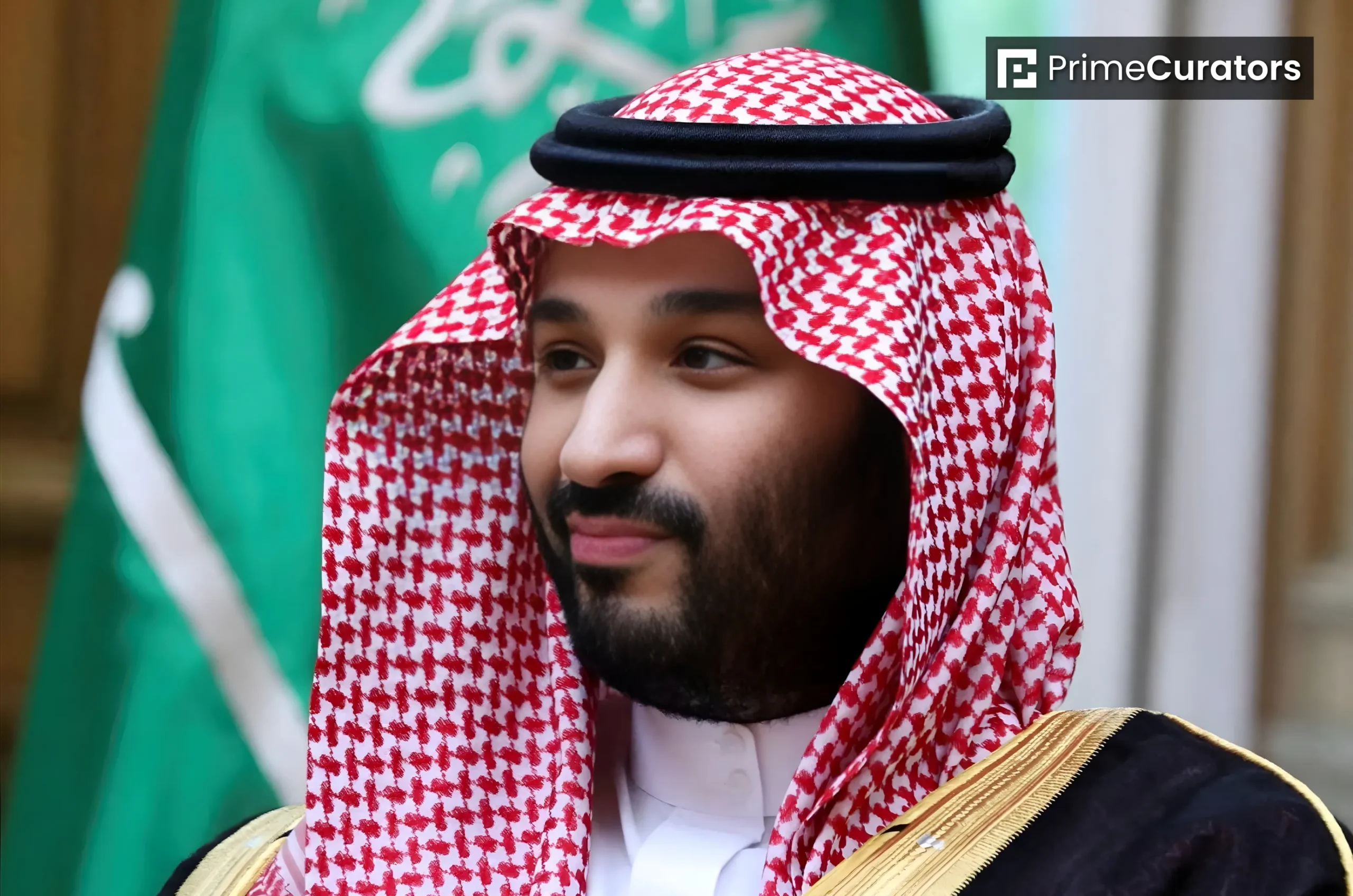
Saudi Arabia Declares It Will Never Normalize Relations with Israel, Calling It an “Aggressive State”
Saudi Arabia has declared that it will never normalize relations with Israel, calling the country an “aggressive state” that continues to destabilize the Middle East. The strong statement, delivered by senior Saudi officials, reinforces Riyadh’s unwavering support for the Palestinian cause and highlights the growing frustration across the Arab world over Israel’s ongoing military actions in Gaza.
This firm stance comes at a time when several regional powers have opted for normalization under the Abraham Accords, which saw the United Arab Emirates, Bahrain, Morocco, and Sudan formalize diplomatic relations with Israel. However, Saudi Arabia’s latest remarks make it clear that the kingdom is not ready to follow suit — not until meaningful progress is made toward justice and peace for Palestinians.
A Clear Message from Riyadh
In a televised statement, Saudi officials emphasized that Israel’s actions in Gaza and the West Bank reflect a pattern of aggression incompatible with peace and regional stability. The Kingdom reaffirmed that normalization is “impossible” as long as the occupation continues and Palestinians are denied their fundamental rights.
This declaration aligns with the long-standing Arab Peace Initiative first proposed by Saudi Arabia in 2002, which offered normalization in exchange for Israel’s withdrawal from occupied territories and the establishment of a sovereign Palestinian state.
The latest comments from Riyadh demonstrate that this policy remains firmly in place, despite international pressure and shifting alliances in the Middle East.
Regional Implications and Global Reactions
The statement sent ripples across diplomatic circles, particularly in Washington and Tel Aviv, where efforts to bring Saudi Arabia into the normalization fold had intensified in recent years. U.S. officials had hoped that a Saudi-Israel peace deal would serve as a cornerstone for regional stability and strengthen anti-Iran alliances.
However, Saudi Arabia’s rejection signals a different direction — one rooted in moral and political solidarity with Palestine rather than strategic alignment with Israel.
Many observers believe that the recent escalation in Gaza’s humanitarian crisis has made normalization politically impossible for Riyadh. With global outrage mounting over civilian casualties and international calls for ceasefire growing louder, Saudi Arabia’s firm words carry both moral weight and geopolitical significance.
According to political analysts, this move could also strengthen ties between Riyadh and other Muslim-majority nations that oppose Israel’s current policies.
Impact on Middle East Geopolitics
Saudi Arabia’s stance reshapes the regional diplomatic landscape. As one of the most influential Arab nations and the custodian of Islam’s holiest sites, its words hold immense sway.
By taking a strong moral position, Riyadh not only reaffirms its leadership in the Arab and Muslim worlds but also underscores that peace cannot come without justice.
While countries like the UAE and Bahrain may continue their engagement with Israel, Saudi Arabia’s refusal sends a powerful signal: normalization cannot override human rights concerns or the need for a two-state solution.
This position could also pressure other Arab states to reconsider their diplomatic ties with Israel, especially as the conflict in Gaza continues to spark outrage across the region.
Saudi Arabia’s Historical Stance on Palestine
Saudi Arabia has long been a vocal advocate for Palestinian sovereignty. The Kingdom provides substantial humanitarian aid to Palestinian territories and consistently supports resolutions at the United Nations ↗ that call for an end to Israeli occupation.
In past decades, the late King Abdullah bin Abdulaziz introduced the Arab Peace Initiative — a framework that remains the Kingdom’s reference point for peace in the Middle East. Current leadership under Crown Prince Mohammed bin Salman continues to emphasize that true stability can only emerge when Palestinian rights are restored.