


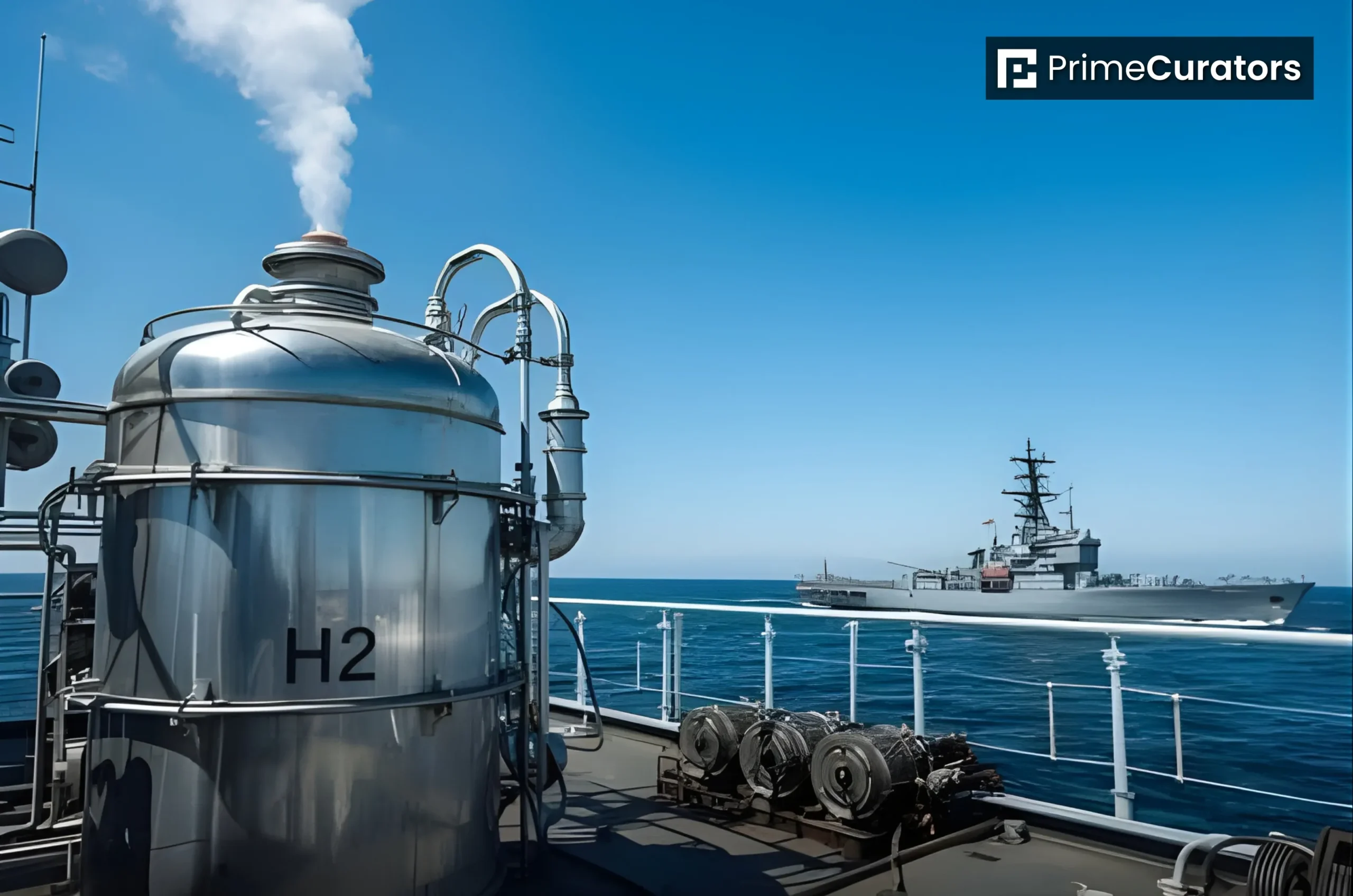
A New Wave in Clean Energy: Turning Seawater Into Hydrogen
In an era where climate change and pollution are pressing global concerns, scientists are charting a new course for sustainable shipping. Around the world, researchers are developing technology that extracts hydrogen directly from seawater, turning oceans into vast, renewable fuel sources. The goal? To power ships with clean hydrogen fuel instead of diesel — and to do it using the very seawater they navigate.
If this innovation succeeds, it could revolutionize global transport and decarbonize one of the world’s most polluting industries — shipping. According to the International Maritime Organization (IMO), the shipping sector is responsible for nearly 3% of global CO₂ emissions. Switching to hydrogen-based fuel could slash that figure dramatically and bring us closer to a zero-emission maritime future.
For more stories about breakthroughs in energy and environment, visit Prime Curators Science & Space ↗.
How Hydrogen Fuel From Seawater Works
The process behind this breakthrough is known as electrolysis, where water is split into hydrogen and oxygen using electricity. However, using seawater adds complexity due to the presence of salt and impurities that can corrode equipment or produce unwanted byproducts.
To overcome this, scientists have designed special membranes and catalysts that make it possible to separate hydrogen efficiently — even from salty ocean water. These advanced materials prevent salt buildup, reduce energy waste, and allow the process to run smoothly without needing fresh water.
Once extracted, the hydrogen can be used to power fuel cells that generate electricity. The only byproduct is water vapor, meaning ships would release nothing harmful into the environment. It’s clean, efficient, and endlessly renewable — a true game-changer for marine transport.
Learn more about hydrogen technologies transforming energy systems at Prime Curators Tech ↗.
Transforming Global Shipping and Beyond
Shipping is the lifeblood of global trade, carrying nearly 90% of goods worldwide. Yet, it relies heavily on diesel and heavy fuel oil, which emit sulfur oxides, nitrogen oxides, and carbon dioxide — pollutants that harm both people and the planet.
If hydrogen-from-seawater technology matures, ships could refuel directly at sea, removing the need for large, polluting fuel ports. This would reduce operational costs, cut greenhouse gas emissions, and make ocean travel cleaner and more sustainable.
Several global research teams — from Australia to China to the United States — are racing to perfect this technology. In fact, researchers at Stanford University and CSIRO (Australia’s national science agency) have already demonstrated early prototypes of seawater electrolysis systems that can run continuously without corrosion.
According to experts, the next step is scaling up — developing large, ship-ready systems capable of generating hydrogen on demand. If successful, this could reshape not only the shipping industry but also global energy infrastructure, opening doors to ocean-based renewable fuel production.
The Road Ahead: A Cleaner Future on the Horizon
While the technology is still in development, the potential impact is enormous. Imagine a world where tankers, cargo ships, and cruise liners glide across oceans powered by clean hydrogen fuel — producing nothing but steam instead of smoke.
Beyond shipping, this innovation could extend to aviation, heavy transport, and coastal power systems, helping nations achieve net-zero emissions faster. The oceans, which have long absorbed humanity’s carbon emissions, could soon help reverse the damage — providing limitless clean energy instead.
However, experts caution that large-scale deployment will require affordable renewable electricity and international collaboration to standardize hydrogen storage and safety protocols.