


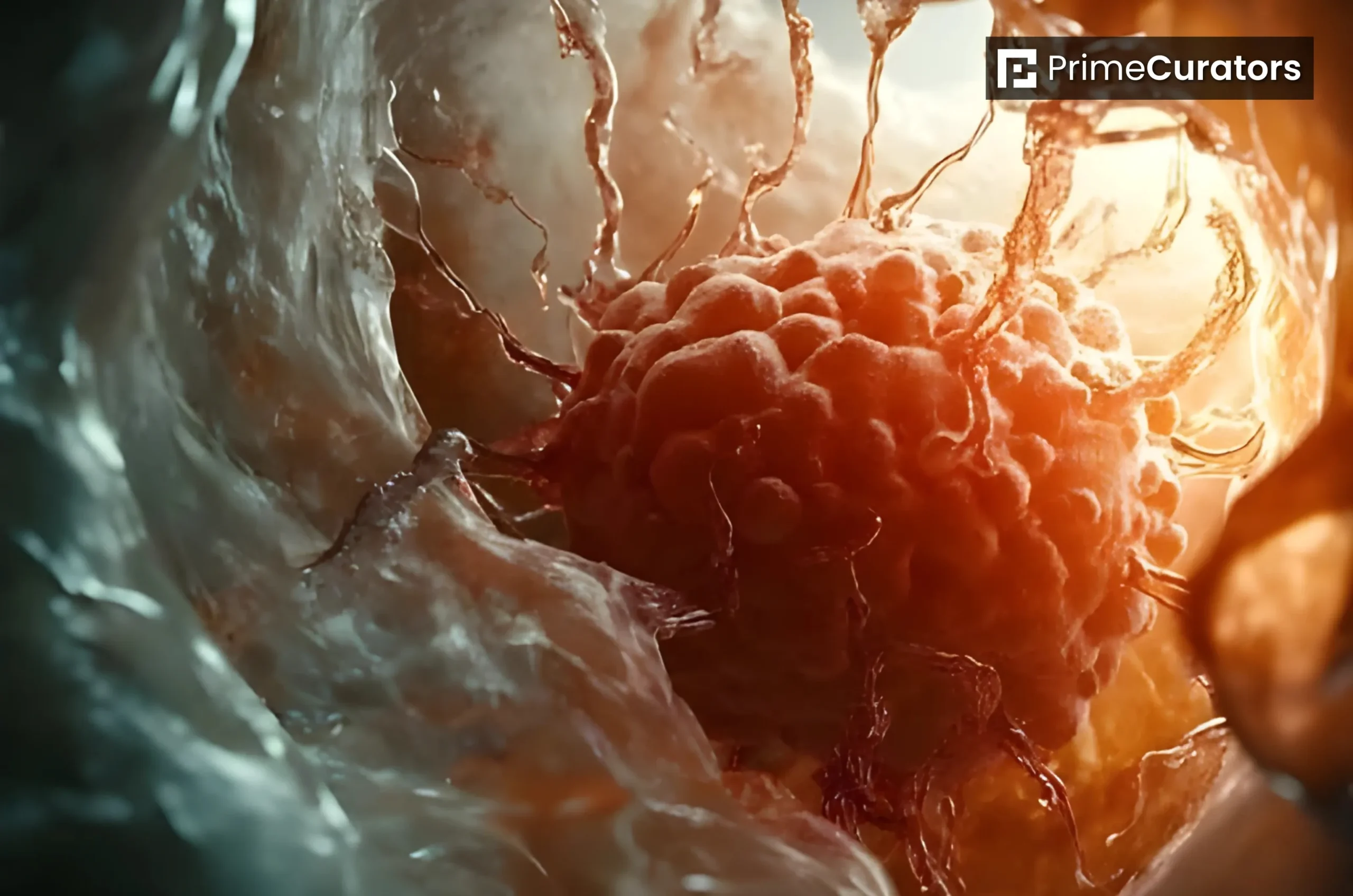
Scientists Found A Way to “Bulletproof” T Cells Against Cancer
For years, scientists have been racing to strengthen the body’s immune system against cancer. Among the most powerful fighters inside us are T cells—tiny warriors that recognize and destroy harmful invaders. But when they enter tumors, these T cells often burn out, leaving cancer free to spread.
Now, researchers at the University of Pittsburgh have uncovered a groundbreaking way to “bulletproof” T cells—restoring their cancer-killing power and possibly reshaping the future of cancer treatment.
Why T Cells Fail Inside Tumors
Inside tumors, the environment is harsh. Low oxygen and high acidity force T cell mitochondria—their energy factories—into overdrive. This stress creates reactive oxygen species (ROS), harmful molecules that damage telomeres, the protective caps at the ends of chromosomes.
Damaged telomeres make T cells age prematurely, pushing them into exhaustion. In simple terms, the body’s cancer-fighting soldiers burn out too quickly to win the battle.
The Breakthrough Discovery
The new study, published in Immunity, revealed that this mitochondria–telomere crosstalk is the key reason T cells lose their strength against cancer.
To solve the problem, scientists tethered an antioxidant directly to telomeres in mouse T cells. These engineered “bulletproof” cells showed remarkable results:
- They resisted oxidative stress.
- They killed cancer cells more effectively.
- Mice infused with these cells had smaller tumors and lived longer.
This discovery could be seamlessly combined with CAR-T therapy, one of the most advanced forms of immunotherapy. By preventing T cells from burning out, doctors could unlock treatments that last longer and work more effectively.
🧠 Related Read:
- How Bee Venom Destroyed 100% of Aggressive Breast Cancer Cells ↗
- How A Single Diet Soda Increases Your Risk of Type 2 Diabetes ↗
What This Means for Cancer Treatment
If adapted for human use, this approach could:
- Strengthen CAR-T therapy for hard-to-treat cancers.
- Make immunotherapies more durable and reliable.
- Give patients longer-lasting protection against cancer relapse.
It’s still early days, and the research is currently in the lab stage. But the results offer a glimpse into a future where the immune system is no longer outpaced by cancer’s tricks.
The Bigger Picture
This discovery is part of a global push to harness the body’s immune system in the fight against cancer. Unlike chemotherapy and radiation, which often damage healthy cells, immunotherapy aims to be more precise, less toxic, and longer-lasting.
By “bulletproofing” T cells, scientists are not just finding new treatments—they are rewriting the playbook on how we fight cancer.