


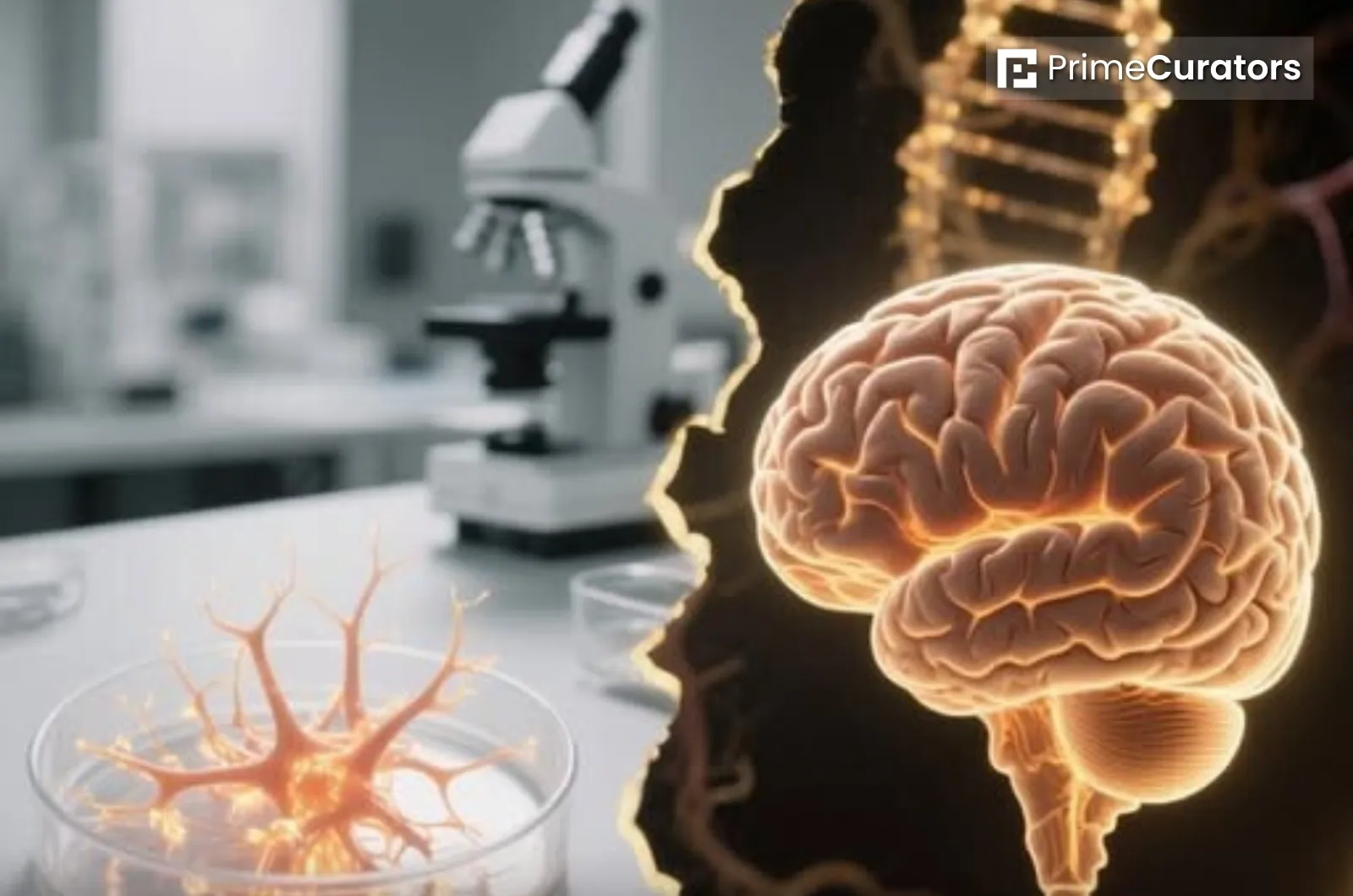
🧠 Scientists Grow 400+ Types of Neurons in the Lab
In an incredible leap for neuroscience, scientists have successfully grown more than 400 different types of brain cells from stem cells in the lab. This is a huge step forward in understanding and potentially treating brain-related diseases like Alzheimer’s, Parkinson’s, and depression.
Until now, lab-grown neurons were quite limited—usually only a few dozen types—which made disease research less realistic. But this breakthrough gives researchers a richer, more accurate model of the human brain to study how these diseases develop and how they might be stopped.
🔬 How Scientists Achieved This Breakthrough
The researchers reprogrammed stem cells derived from human blood, then used morphogens (cell-signaling molecules) and gene regulators to mimic how the brain forms during embryonic development.
By testing nearly 200 different growth conditions, they managed to produce hundreds of unique neuron types that closely resemble the cells found in real human brains.
You can read the full scientific publication on PubMed (PMID: 40638726) for the technical details.
💡 Why This Matters for Brain Disease Research
Each type of brain cell has a specialized role. Many neurological conditions affect only certain types of neurons. With this new method, scientists can now study those vulnerable cell types directly—making it easier to:
- Understand how diseases like Alzheimer’s start
- Test new drugs more accurately
- Explore future neuron replacement therapies to restore lost brain function
For more cutting-edge medical breakthroughs, check out our Health section at Prime Curators.