


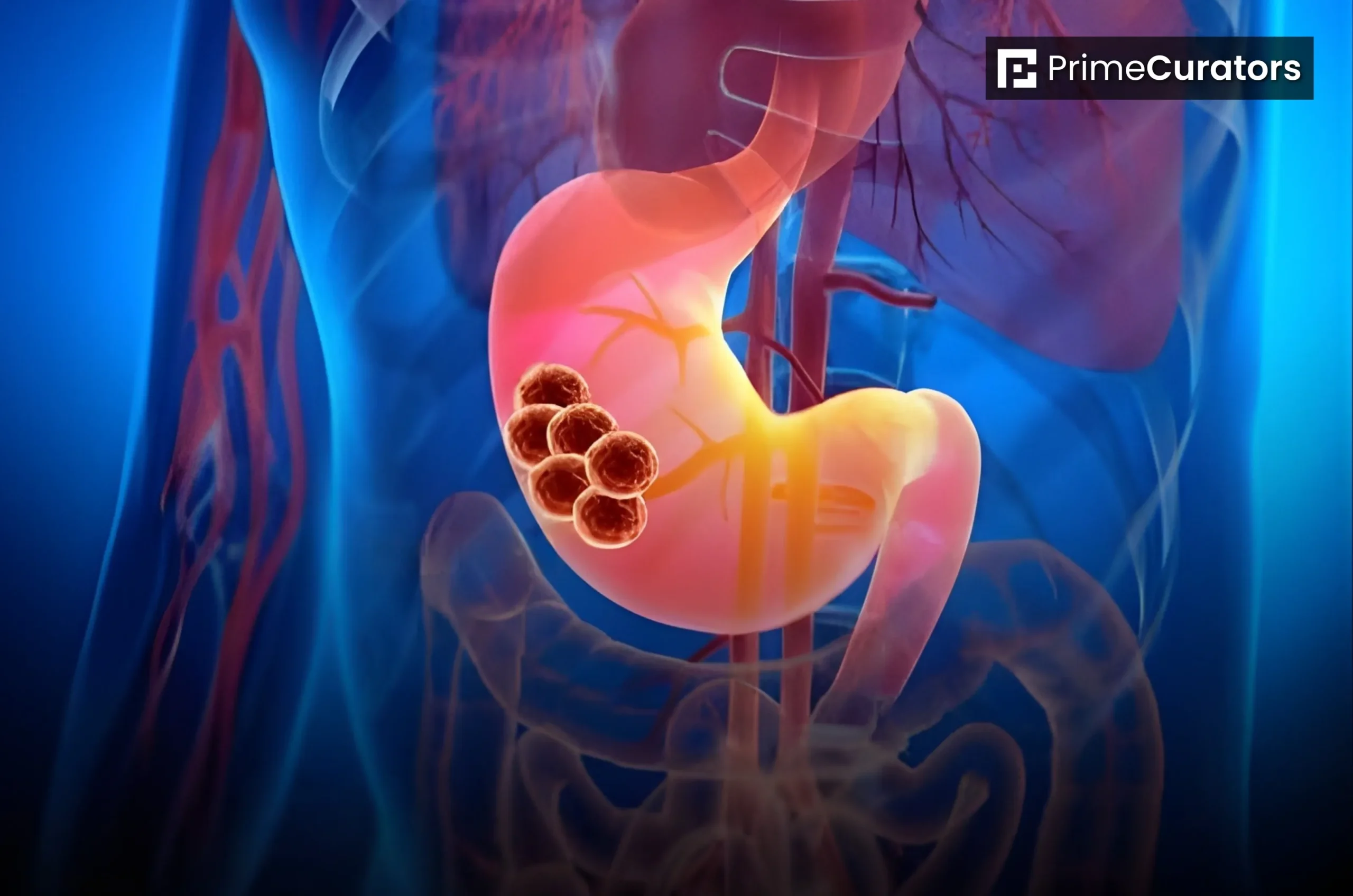
A New Hope: Flu Virus Engineered to Kill Cancer Cells
In a stunning medical breakthrough, scientists at Queen Mary University of London ↗ have successfully reengineered the flu virus into a weapon that targets and destroys pancreatic cancer cells. This new approach could pave the way for an entirely new class of cancer treatments—ones that use modified viruses to fight disease rather than cause it.
Pancreatic cancer remains one of the deadliest forms of cancer, with a five-year survival rate of just 8.5%. It’s often called the “silent killer” because symptoms typically appear only when the disease has advanced. Current treatments like chemotherapy and radiation offer limited success. But this groundbreaking research suggests that the flu virus could be the key to changing that story.
For more updates on medical innovations and scientific discoveries, visit Prime Curators Health ↗.
How the Modified Flu Virus Works
The scientists’ secret lies in a protein modification. They equipped the flu virus with a special protein that binds to alpha v beta 6, a molecule found almost exclusively on pancreatic tumor cells. This clever targeting ensures the virus infects only cancer cells—leaving healthy cells unharmed.
Once inside a tumor cell, the virus begins to replicate itself, eventually causing the cell to burst. When this happens, the virus particles move on to neighboring cancer cells, continuing their destructive cycle.
What’s even more remarkable is that in mouse models with human pancreatic tumors, the virus therapy stopped tumor growth and caused minimal side effects. According to reports in Medical News Today and Molecular Cancer Therapeutics, this discovery opens doors to a more precise and less toxic form of cancer treatment.
Why This Could Change Cancer Treatment Forever
One of the biggest challenges in treating pancreatic cancer is its resistance to traditional therapies and its tendency to spread to other organs. However, researchers engineered this flu virus to survive in the bloodstream—meaning it might one day reach and destroy metastatic cancer cells that have spread beyond the pancreas.
The scientists are already planning clinical trials to test the safety and effectiveness of this approach in humans. They also hope to combine the virus therapy with chemotherapy to enhance results. If successful, this could become a dual-attack treatment, where chemotherapy weakens cancer cells and the virus finishes them off.
For related scientific innovations in healthcare and biotech, explore Prime Curators Science & Space ↗.
The Broader Impact on Medical Science
This discovery belongs to a growing field called oncolytic virotherapy—the use of viruses to selectively target and destroy cancer cells. It’s a field that has gained traction in recent years as scientists better understand how viruses interact with the human body.
The idea of using a flu virus—once considered only a seasonal nuisance—to fight one of the most aggressive cancers known to humanity is nothing short of revolutionary. It challenges the traditional boundaries of medicine, showing how something harmful can be turned into healing through scientific ingenuity.
As one researcher from the project noted, “We’re transforming an enemy into an ally.”
Looking Ahead: From Lab to Life
While the therapy is still in its early stages, the results so far have been extraordinarily promising. If human trials prove successful, this could mark the beginning of a new era in cancer treatment, offering hope to thousands of patients who currently face grim prognoses.
This research also sparks a broader question for the future: could other viruses be similarly reengineered to fight different types of cancers? Scientists believe so—and studies are already underway exploring viruses against melanoma, lung, and brain cancers.
The next few years could redefine what’s possible in oncology.