


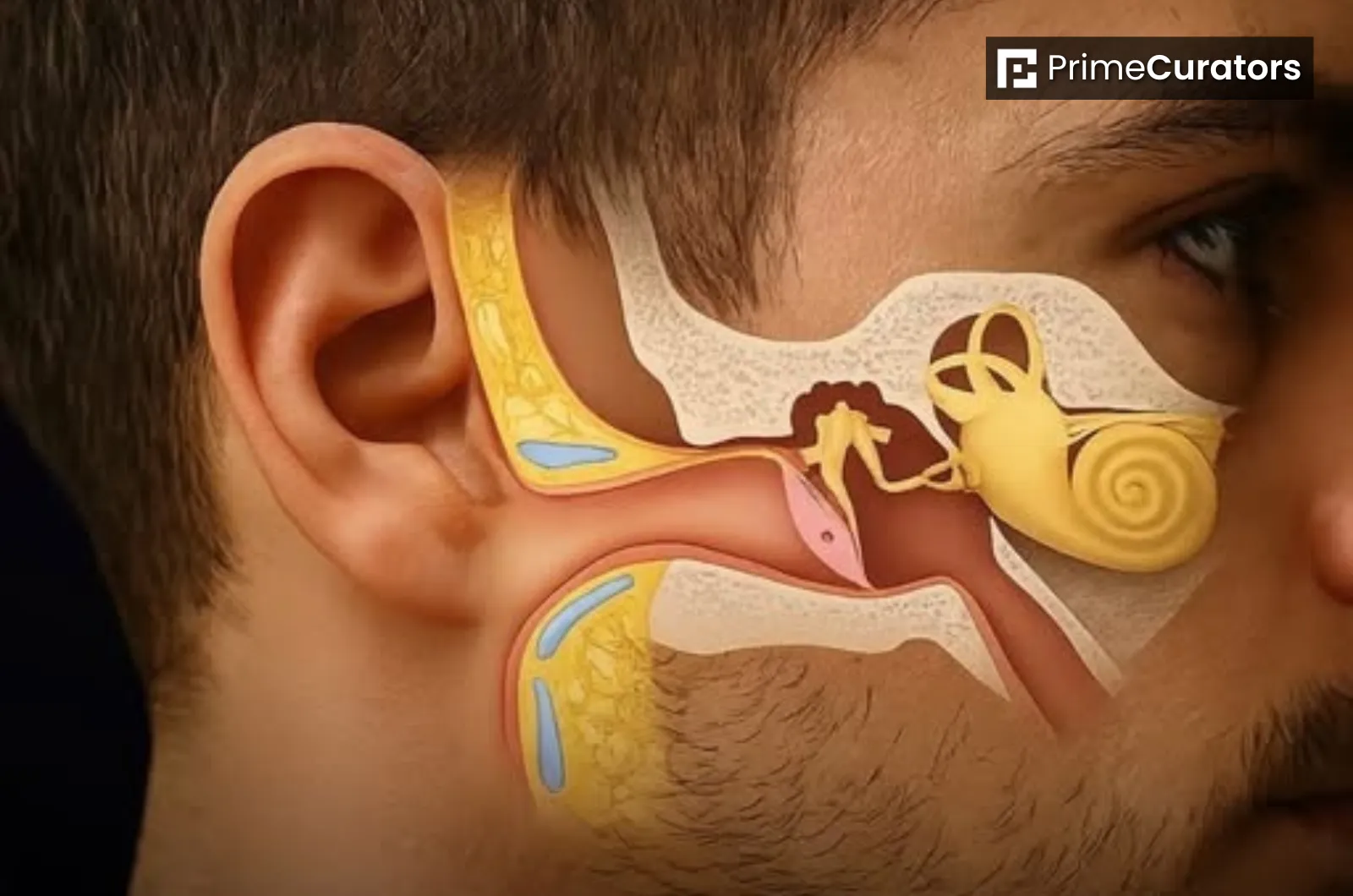
Imagine hearing your heartbeat echoing in your head, or the strange sound of your own eyeballs moving. For years, people reporting such symptoms were dismissed or misdiagnosed. What sounded like something out of science fiction turned out to be a real medical condition—Superior Canal Dehiscence Syndrome (SCDS).
The Discovery of SCDS
In 1995, Dr. Lloyd Minor of Johns Hopkins University encountered a patient whose vision shifted with certain sounds. This led to a groundbreaking discovery: a tiny hole in the bone over the inner ear’s superior semicircular canal. This hole creates a “third window” in the skull, amplifying internal sounds that normally go unheard.
For patients, this meant living with constant disturbances—hearing their own voices echo, their blood flow pulsing, and even the unsettling sound of their eyes moving.
The Life-Changing Treatment
Dr. Minor not only identified the cause but also pioneered a surgical solution. By sealing the hole with bone and tissue, many patients experienced immediate relief. Imagine the silence after years of eerie noise—an almost miraculous return to normalcy.
Since then, patients from across the globe have traveled for this surgery. Hundreds have found answers and relief, proving that their strange symptoms were never “all in their head.”
Why This Matters
Conditions like SCDS highlight the importance of medical research and listening to patients’ unique experiences. What once seemed unbelievable is now a recognized condition with an effective treatment.
The story of SCDS is a reminder that sometimes the body’s mysteries hold the key to scientific breakthroughs—and hope for those who suffer in silence.
Read more fascinating health breakthroughs in our Health Section.
Learn more about Dr. Minor’s discovery at Johns Hopkins Medicine.