


New Studies Reveal Women Need 1-2 Years to Fully Recover From Pregnancy — Not Just 6 Weeks
For decades, many women have been told that postpartum recovery lasts about six weeks. Doctors schedule the “six-week checkup,” workplaces often base maternity leave on this timeline, and society expects new mothers to quickly return to “normal life.”
But new research says otherwise.
A study published in the European Journal of Obstetrics & Gynecology and Reproductive Biology reveals that a woman’s body can take 1 to 2 years to fully recover from pregnancy — far longer than the traditional six-week window many still believe in. And this finding is changing how we think about motherhood, healthcare, and the physical demands of childbirth.
Postpartum Recovery Is Much More Than Physical Healing
While most people associate postpartum recovery with stitches healing or energy returning, the truth is far deeper and far more complex.
The research highlights that the body goes through several internal changes that continue long after the birth itself:
1. Organ Repositioning
After nine months of pregnancy, internal organs shift significantly to make space for the growing baby. According to the study, these organs take months — sometimes over a year — to fully return to their original position.
2. Tissue and Muscle Repair
Muscles of the abdomen and pelvic floor can need extended healing time, especially after C-sections or complicated deliveries. Many women report lingering discomfort or weakness well beyond the early postpartum weeks.
3. Hormonal Rebalancing
Hormones such as estrogen and progesterone fluctuate drastically after childbirth. These hormonal shifts can affect mood, metabolism, energy levels, and emotional well-being. Researchers note that this internal balancing process unfolds slowly — often continuing for more than a year.
4. Brain Function Changes
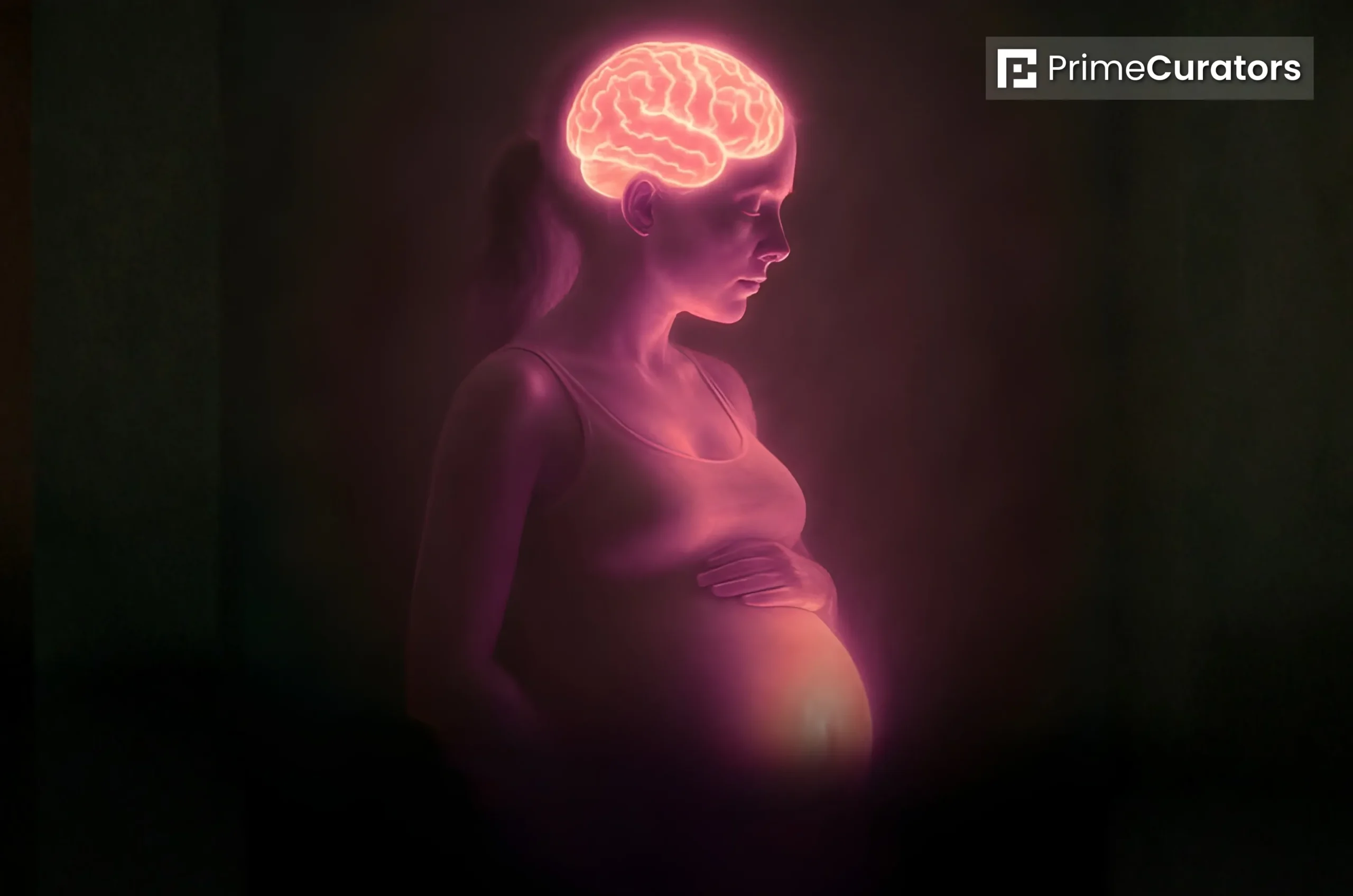
This is one of the most fascinating findings: pregnancy rewires parts of a woman’s brain, particularly regions linked to empathy, protection, and planning. Scientists say that these neurological shifts do not revert quickly and may take up to two years to stabilize.
These inner changes are invisible on the outside, which is why the reality of postpartum recovery is often misunderstood.
A Redefinition of What Postpartum Healing Really Means
The new evidence challenges the unrealistic expectation that mothers should “bounce back” immediately. It pushes for:
✔ Longer medical monitoring, including mental health check-ins
✔ More supportive maternity policies, especially in workplaces
✔ Greater family and partner involvement during the first two years
✔ Public awareness that recovery is not a quick, linear process
This aligns with what experts have been saying for years — that societal pressures ignore the biological truth of childbirth. Platforms like The American College of Obstetricians and Gynecologists ↗ also emphasize long-term postpartum care, reinforcing what this new study confirms.
Mothers Deserve Time, Care, and Understanding
Every mother’s journey is different, and recovery does not look the same for everyone. But what’s universal is the need for compassion, patience, and ongoing support.
This study is an important reminder that motherhood is not a race back to normal — it’s a marathon of healing, adjusting, and growing. And the more we understand about a woman’s body after childbirth, the better support we can offer at home, in workplaces, and in healthcare settings.