


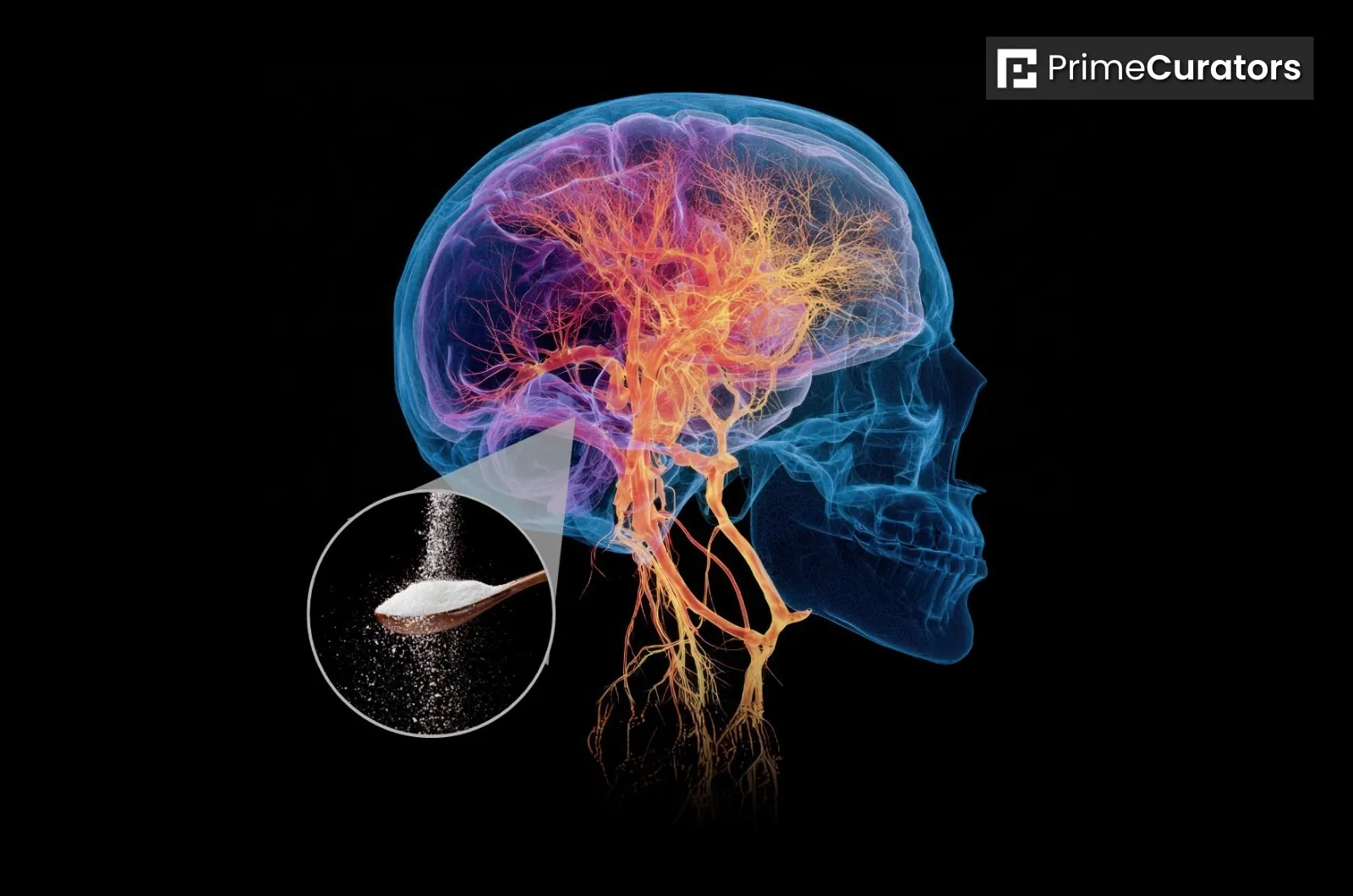
🧠 Sugar-Coated Proteins May Be Fueling Alzheimer’s, Study Finds
A new breakthrough study suggests that sugar-coated proteins might be sabotaging your brain’s natural defenses—and could be a key trigger behind Alzheimer’s disease.
Researchers at Johns Hopkins Medicine analyzed brain tissue from people who had died with Alzheimer’s and discovered a sugar-studded glycoprotein called RPTP zeta S3L. This protein appears to bind to CD33, a receptor on brain immune cells (microglia) that can prevent them from clearing away harmful plaques when overactive.
The glycoprotein’s sugar portion—known as sialylated keratan sulfate—seems to act like a “lock” that keeps microglia from cleaning up toxic proteins like amyloid and tau, which are known to damage brain cells. Even more striking, researchers found RPTP zeta S3L was twice as abundant in brains affected by Alzheimer’s compared to healthy ones.
This finding could transform how we approach the disease. If scientists can block RPTP zeta S3L from activating CD33, the brain might regain its ability to clear away toxic buildup before it causes lasting damage.
It could also lead to early detection, as this sugar-studded protein might serve as a biomarker—a warning signal of Alzheimer’s risk before symptoms even appear.
🧬 As this research continues, it offers new hope for treatments and diagnostic tools that could change millions of lives worldwide.
📰 Explore more health breakthroughs on Prime Curators Health
🔬 Read the full study at Johns Hopkins Medicine