


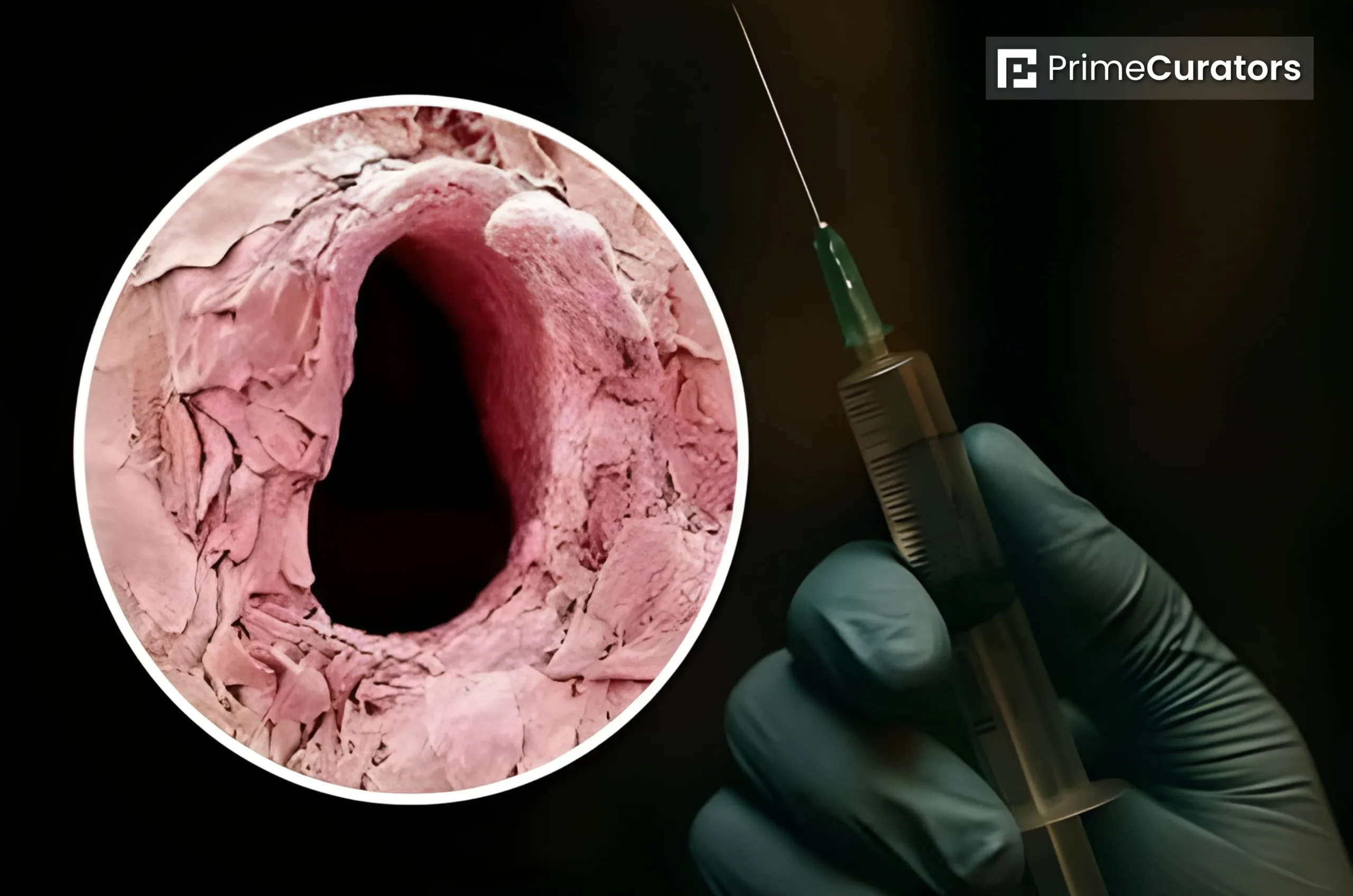
Have you ever wondered what actually happens beneath your skin when a needle pierces it? Whether it’s for a vaccination, blood test, or medical procedure, this seemingly simple act triggers an incredible biological process that protects your body and heals the tiny wound almost instantly.
Let’s take a closer look at how your skin reacts, heals, and regenerates after a needle puncture — a fascinating example of how resilient the human body truly is.
The Moment the Needle Enters the Skin
When a needle punctures the skin, it creates a small opening at the entry point — usually no more than a fraction of a millimeter wide. The outer layer of your skin, called the epidermis, acts as the first barrier. As the needle passes through, it momentarily separates skin cells before entering the dermis, where tiny blood vessels and nerve endings reside.
That’s why you may feel a brief sting or pressure. According to experts at Healthline ↗, this sensation is caused by nerve receptors sending quick signals to the brain to alert you of the intrusion.
In most cases, there’s no lasting damage, and the body immediately springs into action to repair the tissue.
How the Body Begins Healing Instantly
As soon as the needle is removed, the surrounding skin cells start contracting to close the puncture site. The body’s natural defense system immediately kicks in, releasing clotting factors and immune cells to seal the area and prevent infection.
White blood cells, primarily neutrophils, rush to the site to destroy any bacteria or foreign particles. Meanwhile, fibroblast cells begin producing collagen, a protein that forms new tissue to replace any damaged cells.
Within hours, your body’s healing process is well underway. According to research published by the National Institutes of Health (NIH) ↗, minor skin punctures typically heal within 24–48 hours without leaving a trace — unless the wound is repeatedly irritated or infected.
Why Needles Rarely Leave a Mark
One of the most remarkable things about the skin is its ability to heal seamlessly. In most cases, a needle mark disappears almost immediately because the puncture is so small that it doesn’t reach deeper layers of tissue.
The skin’s elasticity and rapid cell turnover help the tiny hole close naturally. However, if the needle is large or inserted multiple times, it might leave a faint red spot for a day or two.
To keep the skin healthy post-injection, experts recommend cleaning the area gently and avoiding scratching. Applying a mild antiseptic or aloe vera gel can also help soothe any irritation.
The Skin’s Unsung Power of Regeneration
Your skin is the largest organ of the human body and its regenerative ability is truly astonishing. Every second, thousands of skin cells die and are replaced by new ones — allowing even the smallest wounds to heal quickly.
This process doesn’t just stop at needle punctures. It’s the same mechanism that repairs scratches, cuts, and other minor injuries daily — often without us even noticing.
For more insights into the human body’s healing processes and medical science, check out our Health Section on Prime Curators ↗ for stories that reveal how your body protects and restores itself every single day.
Conclusion
A needle puncture might seem insignificant, but it showcases the incredible efficiency of the human body. From instant cell response to natural tissue regeneration, your skin works tirelessly to protect you — healing within moments of a tiny intrusion.
So next time you get a vaccination or blood test, take a moment to appreciate your body’s silent healing powers. What seems like a simple prick is actually a miniature miracle of biology in action.