


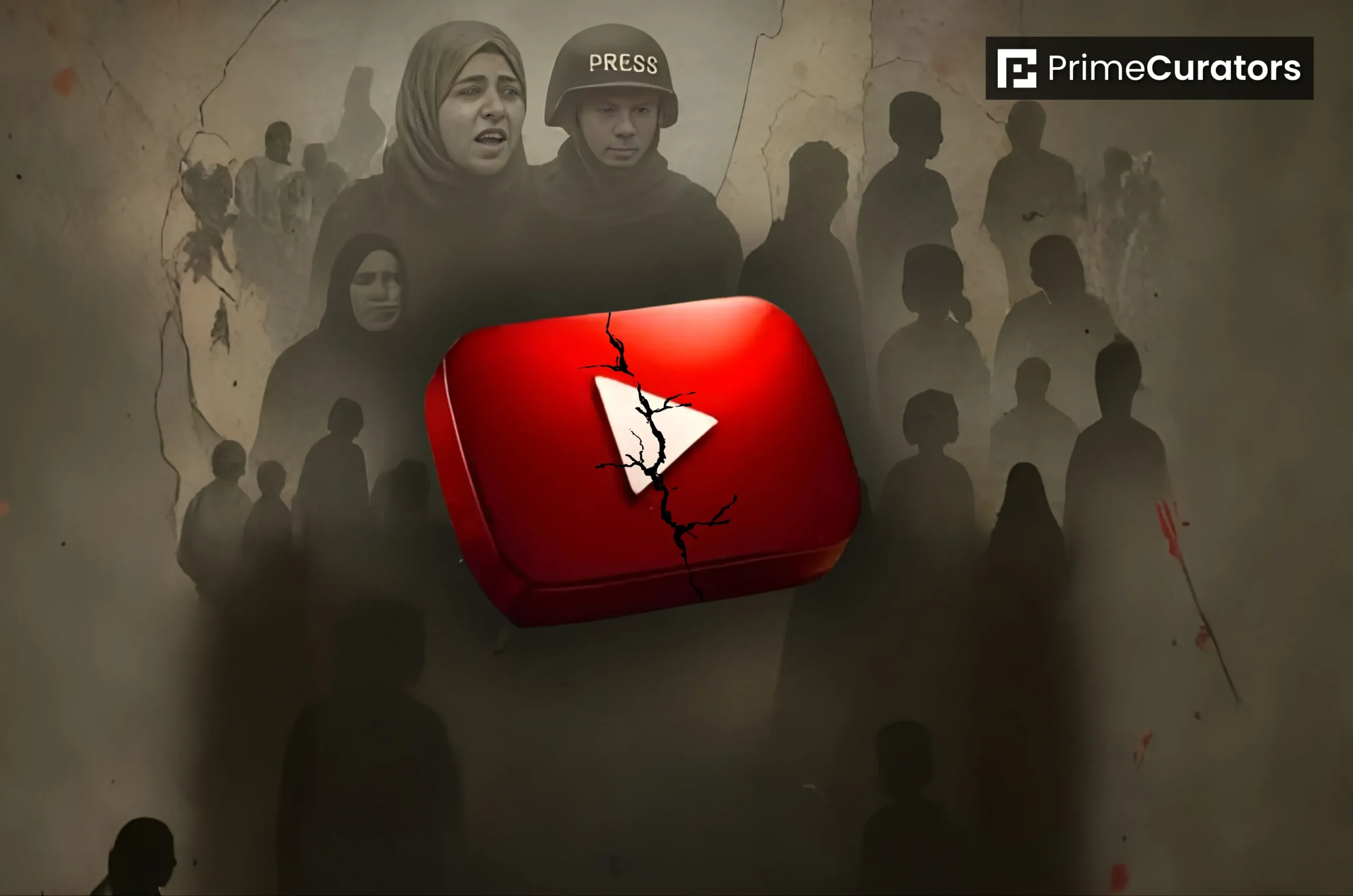
When Documentation Goes Offline: The Removal of 700+ Human Rights Videos on YouTube
A sharp blow to accountability and transparency emerged this week when YouTube quietly removed over 700 videos and shut down the channels of three prominent Palestinian human rights organisations. The move, first reported by The Intercept and confirmed by multiple outlets, included channels belonging to Al‑Haq, Al Mezan Center for Human Rights and Palestinian Centre for Human Rights (PCHR).
These groups have long captured and published video testimonies, local investigations, and detailed visual records of alleged war crimes and human rights violations in Gaza and the West Bank. Much of that archival content is now gone.
Why Were the Videos Removed?
According to YouTube ↗, the removals were triggered by compliance with U.S. sanctions placed on the three organisations for their cooperation with the International Criminal Court (ICC) investigation into alleged Israeli actions.
While YouTube claims to follow its policies consistently, many human rights advocates view this as a form of censorship — erasing important public-interest evidence and silencing voices documenting conflict and accountability.
In the words of PCHR’s advocacy officer:
“YouTube … told us we violated community-rules policy, yet all our work is fact-based reporting on crimes against the Palestinian people.”
What Has Been Lost?
The deleted videos included:
- Visual documentation of home demolitions and destruction in Gaza.
- Testimonies from survivors of strikes, arrests, and displacement.
- Investigations into the death of Palestinian-American journalist Shireen Abu Akleh.
With those channels gone, it’s not just the immediate evidence that’s at risk — it’s the historical record itself. Independent documentation plays an essential role in international law, transitional justice, and the public’s right to know.
Why It Matters — Beyond YouTube
In conflict zones like Gaza and the West Bank, digital documentation is often the only window into what is happening on the ground. Without public records, the challenge of verifying war crimes, human rights abuses, and violations of international law grows even harder.
This move raises broader questions about:
- How tech platforms navigate geo-political conflicts and sanction regimes.
- Whether platform policies are applied uniformly across conflicts and actors.
- The risk of evidence disappearing due to platform actions rather than on-the-ground censorship.
What’s Next?
The affected Palestinian groups say they are seeking alternative platforms outside U.S. jurisdiction to preserve their archives. Meanwhile, human rights lawyers fear the missing videos may weaken ongoing investigations into alleged atrocities.
For YouTube and other platforms, this episode underscores the challenge of platform accountability amid geopolitical and legal pressures. Whether the deletion of content equals suppression of justice remains a critical question for digital rights activists.