


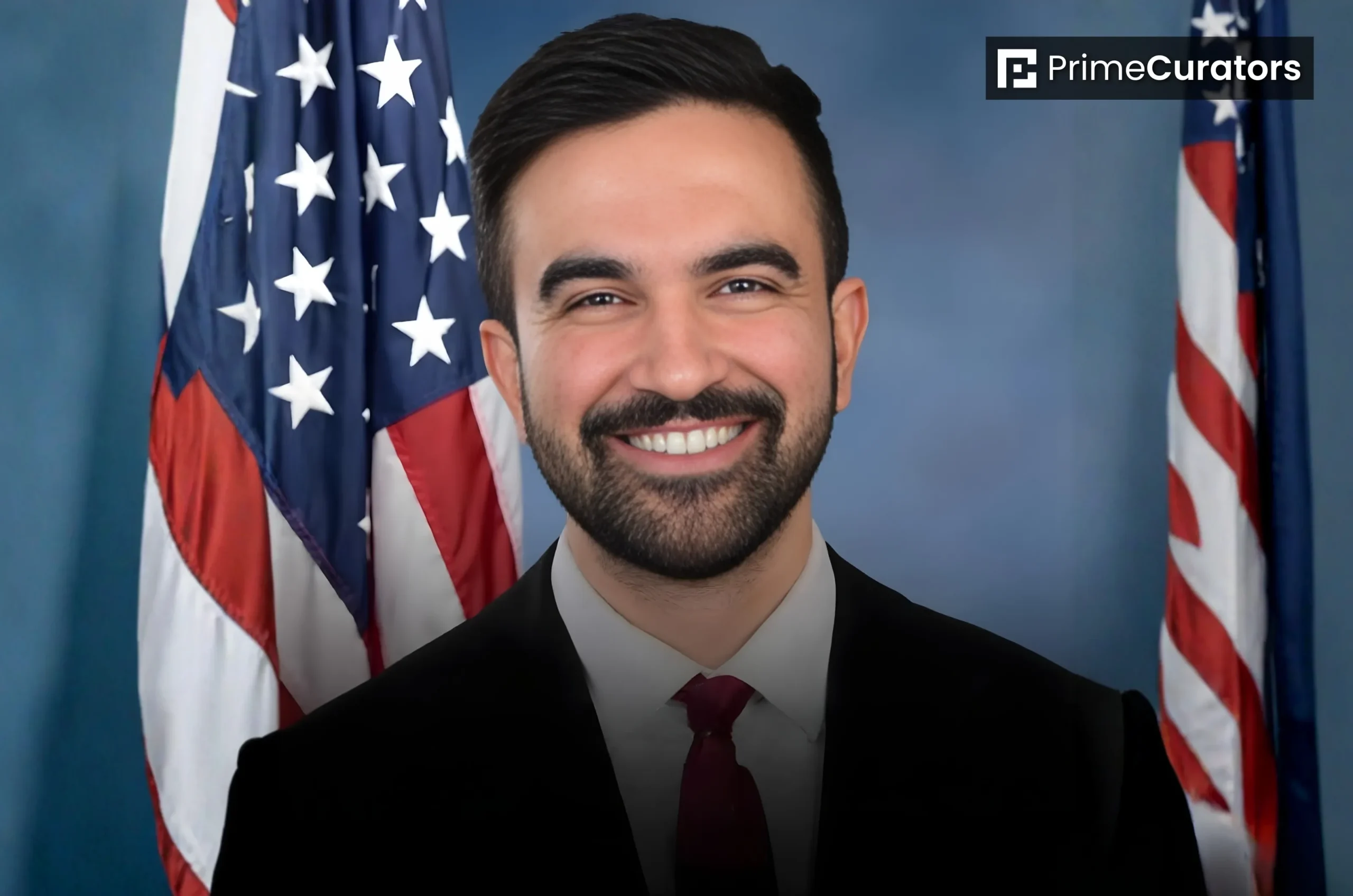
A Historic First for New York City
In a groundbreaking moment for American politics, Zohran Mamdani ↗ has been elected as the first Muslim mayor of New York City, according to projections from major U.S. media outlets. His victory marks a remarkable journey — from a community organizer and state assembly member to the leader of America’s largest and most diverse city.
Mamdani’s election is more than a personal triumph. It’s a symbol of representation, progress, and inclusion in a nation where leadership often struggles to reflect the diversity of its people. His campaign, driven by grassroots energy and a focus on equality, resonated deeply with New Yorkers who wanted change that feels real, local, and humane.
For readers following New York’s political evolution, this moment echoes past historic shifts that defined the city’s identity — from the election of David Dinkins as the first Black mayor to today’s celebration of multicultural leadership.
From Grassroots Activism to City Hall
Before becoming mayor, Zohran Mamdani served as a New York State Assemblymember representing Queens, where he was known for his passionate advocacy for affordable housing, tenant rights, and public transit reform.
Born in Kampala, Uganda, to Indian parents and raised in New York City, Mamdani’s story reflects the immigrant experience that defines so much of the city he now leads. His background as a community organizer and housing advocate shaped his people-first approach to politics — one that prioritizes compassion, accountability, and equality over partisanship.
In his victory speech, Mamdani shared an emotional message:
“This city raised me, shaped me, and taught me to believe that every voice deserves to be heard. Today, New York has proven that its promise belongs to everyone.”
His campaign focused on three central pillars: tackling the housing crisis, reforming public transportation, and investing in community-based safety programs — all while emphasizing justice, inclusivity, and transparency.
Explore related leadership insights in our Politics section ↗.
Breaking Barriers and Redefining Representation
Mamdani’s victory is being hailed as a historic step for Muslim Americans and people of color in U.S. politics. While Muslim representation in government has grown in recent years — with figures like Ilhan Omar and Rashida Tlaib in Congress — becoming the mayor of New York City represents a milestone on an entirely different scale.
New York is often seen as a mirror of America’s identity — complex, diverse, and constantly evolving. For Mamdani to rise to its highest office underscores not only the city’s open-mindedness but also the growing power of grassroots movements that transcend traditional political divides.
Political analysts suggest that his win reflects a larger generational shift, where younger voters are rallying behind leaders who understand their struggles — housing insecurity, economic inequality, and climate change — and offer actionable solutions.
What Mamdani’s Leadership Means for NYC’s Future
Under Mamdani’s leadership, New York City could see a new wave of reform. His administration is expected to focus on:
- Expanding affordable housing and protecting renters’ rights.
- Greening public infrastructure to fight climate change.
- Prioritizing education and healthcare access for underserved communities.
- Supporting small businesses to rebuild post-pandemic resilience.
Experts believe his tenure could serve as a template for inclusive governance, showing how diverse representation can drive practical change while bridging cultural divides.
A Moment That Echoes Beyond New York
Beyond city borders, Mamdani’s win sends a powerful message across the United States — that faith and identity need not be barriers to leadership, and that political success can be built on empathy, integrity, and community trust.
His election has inspired hope among millions, particularly young Muslims and immigrants who see in him a reflection of their own aspirations.
As New York turns a new chapter, Mamdani’s leadership will likely be watched closely — not just by city residents, but by people around the world who see this victory as a step toward a more inclusive and representative democracy.